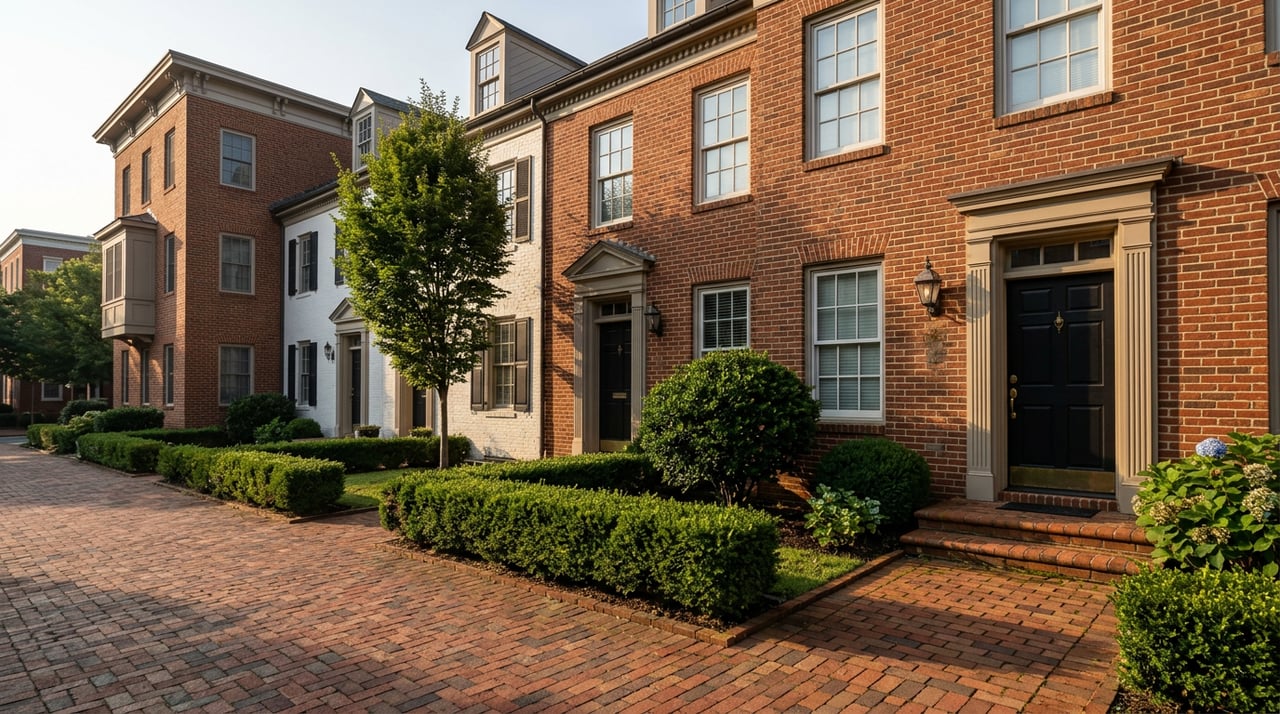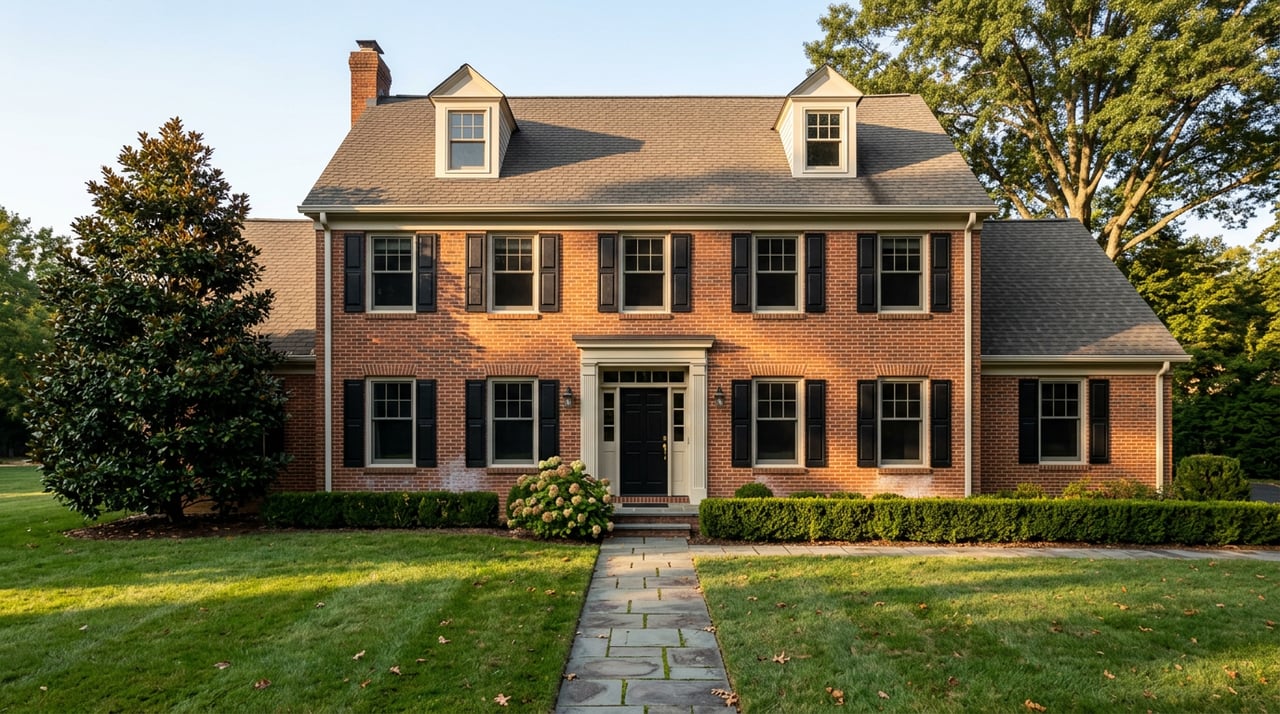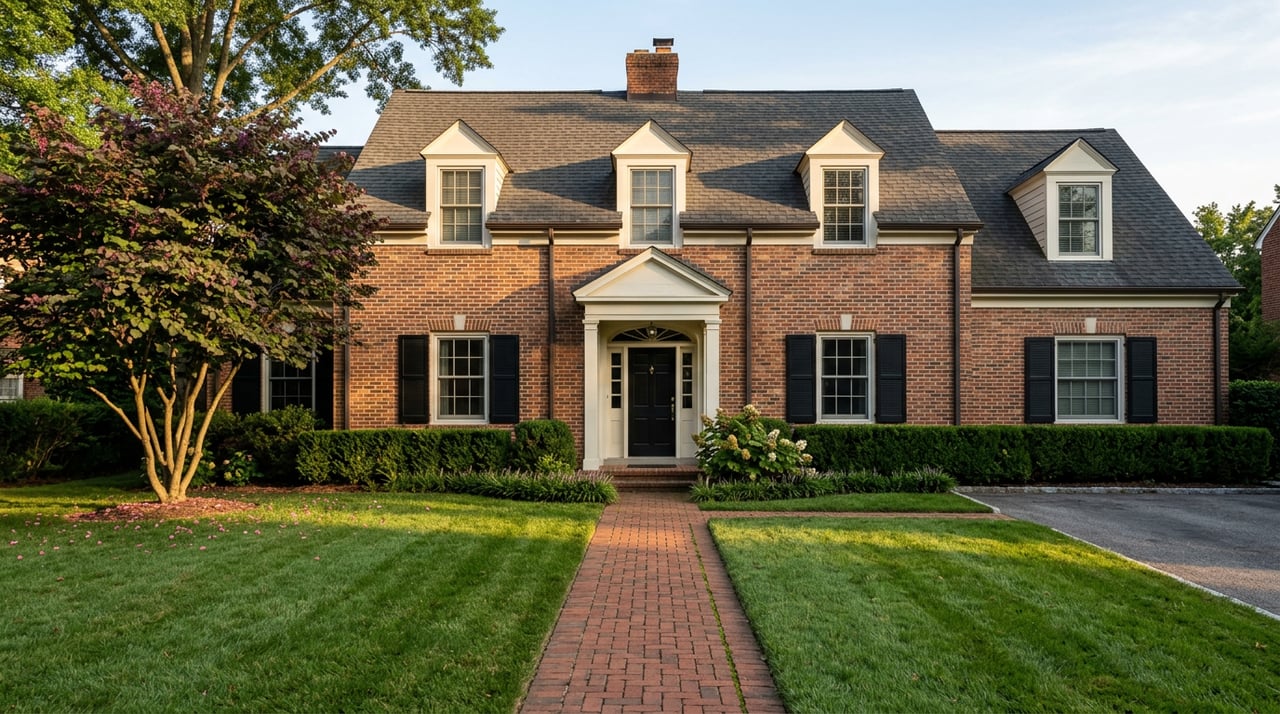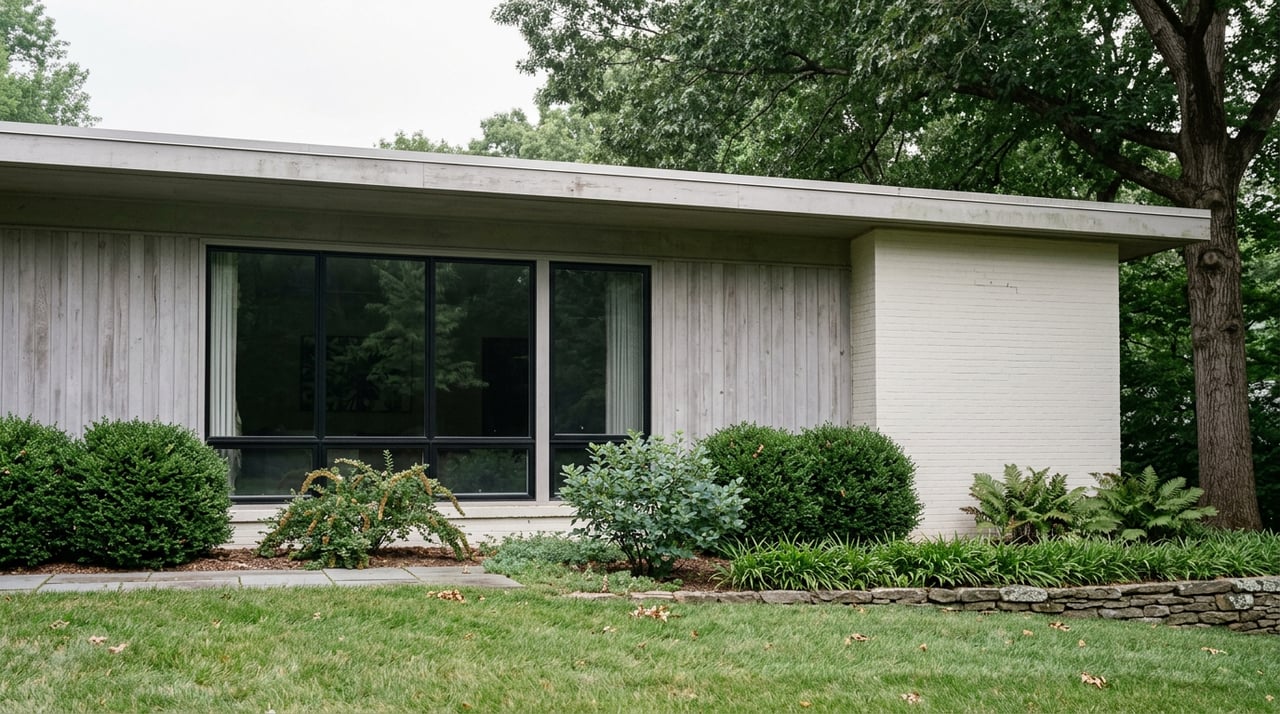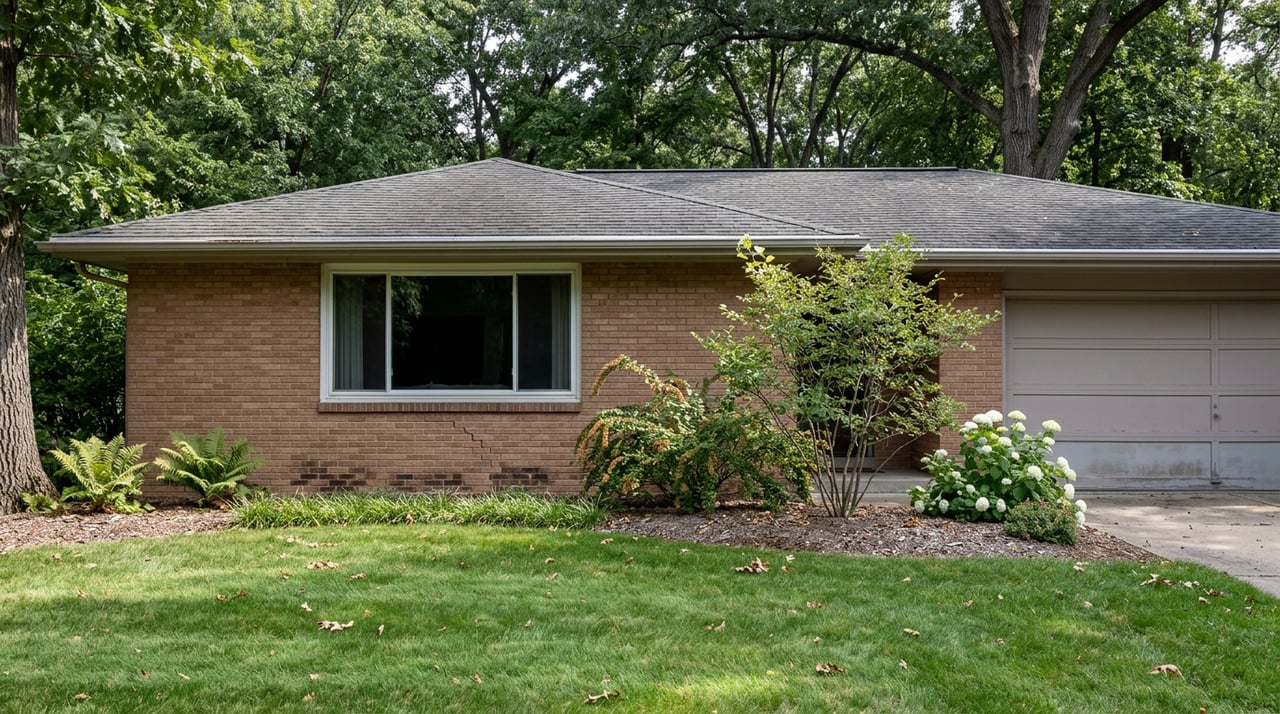
Here is how it usually goes. A buyer falls for a brick colonial off Eakin Park, writes a strong offer, and gets a ratified contract within days. The home inspection turns up the expected list for a house built in the 1960s: an aging roof, some grading work, maybe a water heater near the end of its life. Everyone negotiates a credit, moves on, and starts packing boxes. Then, sometime in the final two weeks before closing, the buyer's lender asks for proof of a bound homeowners insurance policy and the insurance company says no. Not "higher premium." No.
That single word can undo a deal that survived inspection, appraisal, and underwriting on the loan itself. It is the part of a Mantua transaction that rarely makes it into a listing conversation, and it deserves to.
Insurance, Not Inspection, Is the Real Gate
Home inspectors flag things. Lenders require things. But a financed purchase cannot close without a bound homeowners insurance policy, and that policy comes from a private carrier making its own risk decision, separate from the inspector's report and separate from the loan approval. On two specific findings, a growing number of carriers have stopped negotiating altogether: Federal Pacific Electric Stab-Lok panels and unremediated aluminum branch-circuit wiring.
The Federal Pacific panel problem is not a matter of opinion. Independent testing has found that in more than a third of the panels examined, the breakers failed to trip when overloaded, which is the panel's entire job. Aluminum wiring carries its own documented risk: the U.S. Consumer Product Safety Commission has found that homes built before 1972 with aluminum branch circuits face a dramatically higher likelihood of fire-hazard conditions, largely because aluminum expands and contracts at a different rate than copper, which loosens connections at outlets and switches over years of ordinary use.
Insurance underwriters read that research the same way electricians and inspectors do. A meaningful share of carriers now decline to write a new policy at all when a home has an FPE panel or unaddressed aluminum wiring, rather than simply charging more for the risk. That turns what looks like a routine inspection item into a binary, and a buyer who cannot bind coverage cannot close, no matter how strong the rest of the file looks.
Why This Shows Up So Often in Mantua Specifically
Mantua's roughly 1,500 detached single-family homes were built largely between the 1950s and 1980s, with a concentrated stretch of construction running through the mid-1960s and into the mid-1970s. That window matters more than almost any other decade in residential electrical history, because it lines up almost exactly with the years builders across the country turned to aluminum wire when copper prices spiked, and with the years Federal Pacific panels were standard equipment in new construction.
Electrical contractors who work across Fairfax County notice the pattern before real estate agents do, because they see the wiring behind the wall long before a listing goes live. Firms serving Fairfax describe aluminum branch wiring in homes built between 1965 and 1975 as one of the most frequent issues they encounter in the area, and name Mantua specifically as one of the neighborhoods where this shows up most often, alongside nearby Mosby Woods. One Fairfax-based electrician goes further, describing Mantua's large 1960s homes south of Lee Highway as a neighborhood where FPE Stab-Lok panels are common enough to count among their most-served areas.
That is a different story than "old houses have old wiring." Plenty of 1960s neighborhoods across the region have some mix of aging systems. Mantua's housing stock landed squarely inside the specific ten-year window that produced both of the two findings insurers now treat as coverage-blocking, in enough volume that local electrical contractors describe it as routine rather than rare.
Two Fixes, and They Are Not the Same Fix
Once a panel or wiring issue surfaces, sellers and buyers usually hear about two paths forward, and they are worth separating clearly because they solve the problem in genuinely different ways.
| Full copper rewire | COPALUM crimp remediation | |
|---|---|---|
| What it does | Removes the aluminum wiring from service and replaces it with copper conductors | Attaches a copper pigtail to the existing aluminum wire at every connection point using a specialized crimp sleeve and dedicated tool |
| Recognized by | Considered the most thorough, permanent solution | Recognized by the CPSC as a permanent aluminum-wiring repair method |
| Typical scope | Whole-house work, often requiring access through finished walls or ceilings | Every accessible outlet, switch, junction box, and panel connection, without opening walls |
| Cost pattern | Higher labor cost due to invasiveness | Priced by connection point, generally a fraction of the cost of a full rewire |
| Panel separately | An FPE or Zinsco panel still requires its own replacement regardless of which wiring fix is chosen | Same |
Neither path is a weekend project, and neither is optional once an insurer flags the home. A panel upgrade to 200-amp service in Fairfax County typically runs in the $6,000 to $7,500 range according to local electrical contractors, and that figure sits separately from whatever the wiring remediation costs, since a new panel and old aluminum branch circuits are two different problems that happen to share an era.
Do the Math Before You List, Not After You Ratify
The seller who discovers an FPE panel or aluminum wiring issue during the listing prep conversation has options. They can get the panel replaced and the wiring remediated on their own schedule, document it, and market the home as already resolved. They can disclose it plainly and price accordingly, letting a buyer factor a known, quantifiable cost into their offer.
The seller who discovers it three weeks into a ratified contract, when the buyer's insurance agent comes back with a decline letter, has almost none of those options. At that point the timeline is set by the buyer's mortgage commitment date, the movers are booked, and the fix has to happen under pressure rather than on a normal contractor's schedule. Fairfax County requires a permit and a final inspection for this kind of electrical work regardless of when it happens, which means the paperwork takes the same number of business days whether it is scheduled calmly in March or scrambled together two weeks before a June closing.
A $6,500 to $8,000 remediation cost, planned for and disclosed ahead of a listing going live, is a line item. The same repair, discovered mid-contract with a closing date already circled on a calendar, becomes leverage in the other direction, and sometimes becomes the reason a deal falls apart entirely.
What This Means If You Are Selling in Mantua
If your home was built in that mid-1960s to mid-1970s window, the practical move is to have a licensed electrician open the panel and check the branch wiring before you list, not after a buyer's inspector does it for you. If the panel carries the Federal Pacific or Stab-Lok name, or the wiring at an outlet shows the silver color and "AL" stamping of aluminum conductor, you want that documented on your terms and on your timeline.
Buyers in this specific price range and housing era are informed enough to expect the question, and a seller who arrives with remediation already completed, or with a clear, priced plan for it, controls the conversation in a way that a surprised seller mid-contract simply cannot. Fairfax County's Land Development Services department handles the permitting for this work and posts current requirements directly, which is worth a look before you call anyone with a truck and a business card.
A Few Questions Worth Asking Directly
Does every 1960s Mantua home have this problem? No. Plenty of homes from this era have been rewired or upgraded already, sometimes during a kitchen renovation or basement finish when the walls were already open. The only way to know for certain is to have a licensed electrician check the panel and a sample of accessible connections.
Will this affect the seller's own insurance before the sale closes too? It can. If a seller has held the same policy for years without a claim, some carriers grandfather existing coverage even when they would decline a new applicant. That grace period does not transfer to the buyer, which is exactly why the issue tends to surface at the point of sale rather than before it.
Is COPALUM a real fix or a workaround? It is a genuine, CPSC-recognized permanent repair method, not a stopgap. The choice between COPALUM and a full rewire usually comes down to whether the walls are already open for other reasons and what a specific insurer requires to bind the policy.
None of this changes what makes a 1960s Mantua home worth buying: the tree cover, the proximity to Eakin Park and the Gerry Connolly Cross Country Trail, the settled feel of a neighborhood that has not been rebuilt from scratch. It just means the electrical panel deserves the same early attention as the roof and the HVAC system, because in this specific neighborhood, in homes from this specific decade, it is the item most likely to decide whether a signed contract actually reaches the closing table.
If you are weighing when to list a Mantua home built in this window, Sullivan Brownell can walk through what a pre-listing electrical assessment typically costs against what it protects on your timeline. Request Your Home Valuation and we will build that math around your specific address.