Trying to choose between Old Town, Del Ray, and the West End in Alexandria can feel like comparing three great options with very different strengths. You likely have a short list of must-haves like walkability, space, commute time, and renovation flexibility. In this guide, you’ll get a clear, side-by-side look at housing types, relative price signals, transit access, lifestyle, and practical considerations so you can move forward with confidence. Let’s dive in.
Quick snapshot
Old Town at a glance
- Historic waterfront district with a dense, walkable core centered on King Street.
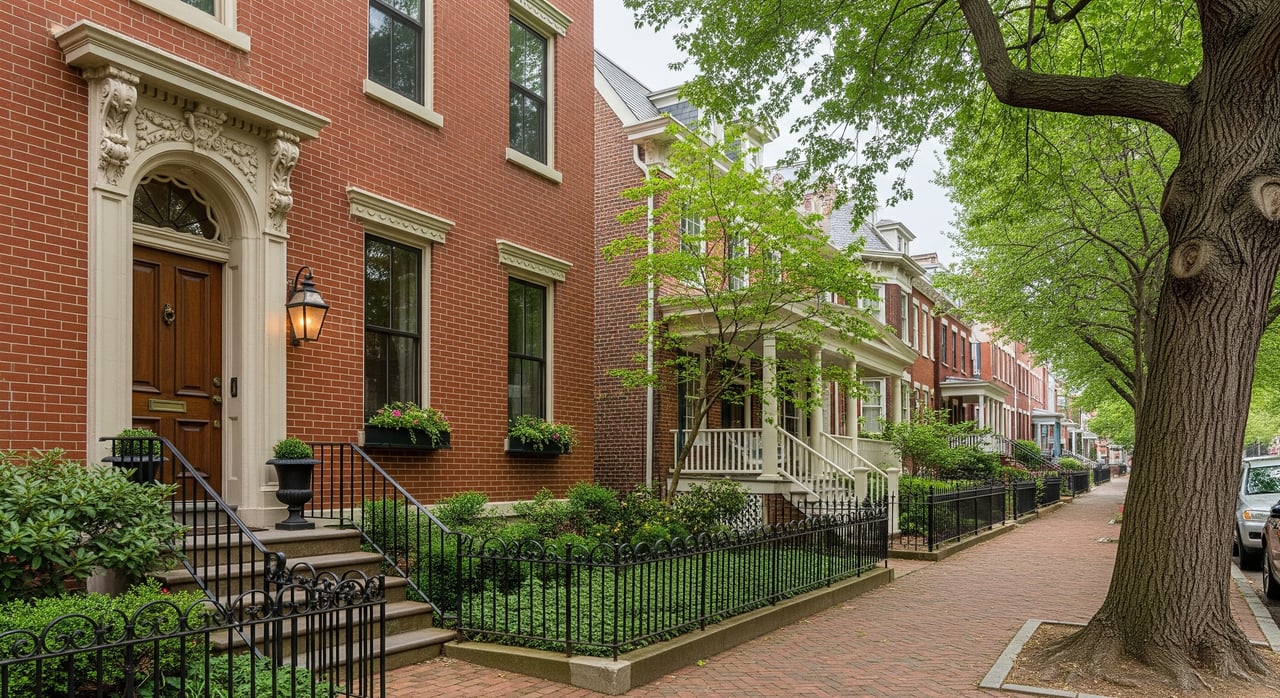
- Housing includes Federal and Victorian rowhouses, townhomes, small single-family homes, and condos in both historic conversions and newer infill.
- Generally the highest per-square-foot prices in Alexandria, especially near the river.
- Excellent access to Metro, VRE, and Amtrak at Alexandria Station.
- Best fit if you want maximum walkability and historic character.
Del Ray at a glance
- Village-like main street along Mount Vernon Avenue with a strong small-business scene.
- Early 20th-century bungalows, craftsman homes, some townhomes, and periodic infill.
- Priced below Old Town for comparable size, with premiums for fully renovated homes on sought-after blocks.
- No internal Metro station, but close to King Street and Braddock Road by bike or short drive.
- Best fit if you value a neighborhood feel and local retail in a low-rise setting.
West End at a glance
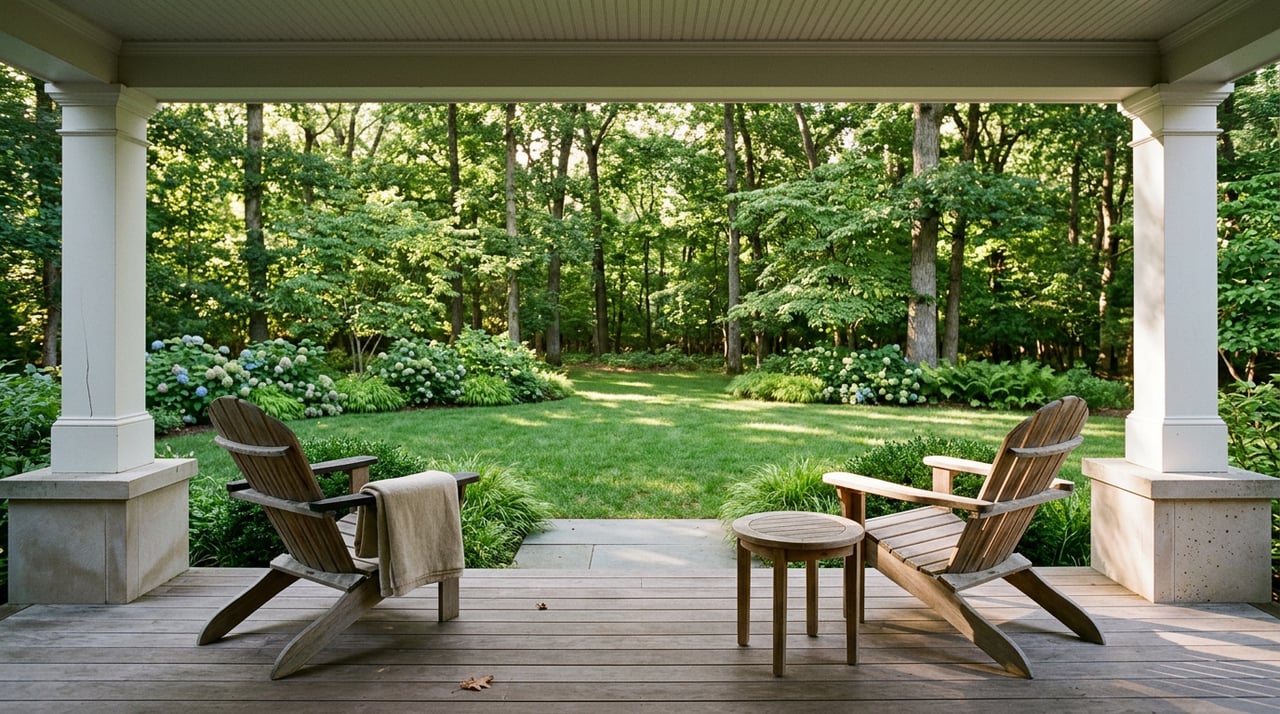
- Broad area with several sub-neighborhoods, more suburban in character overall.
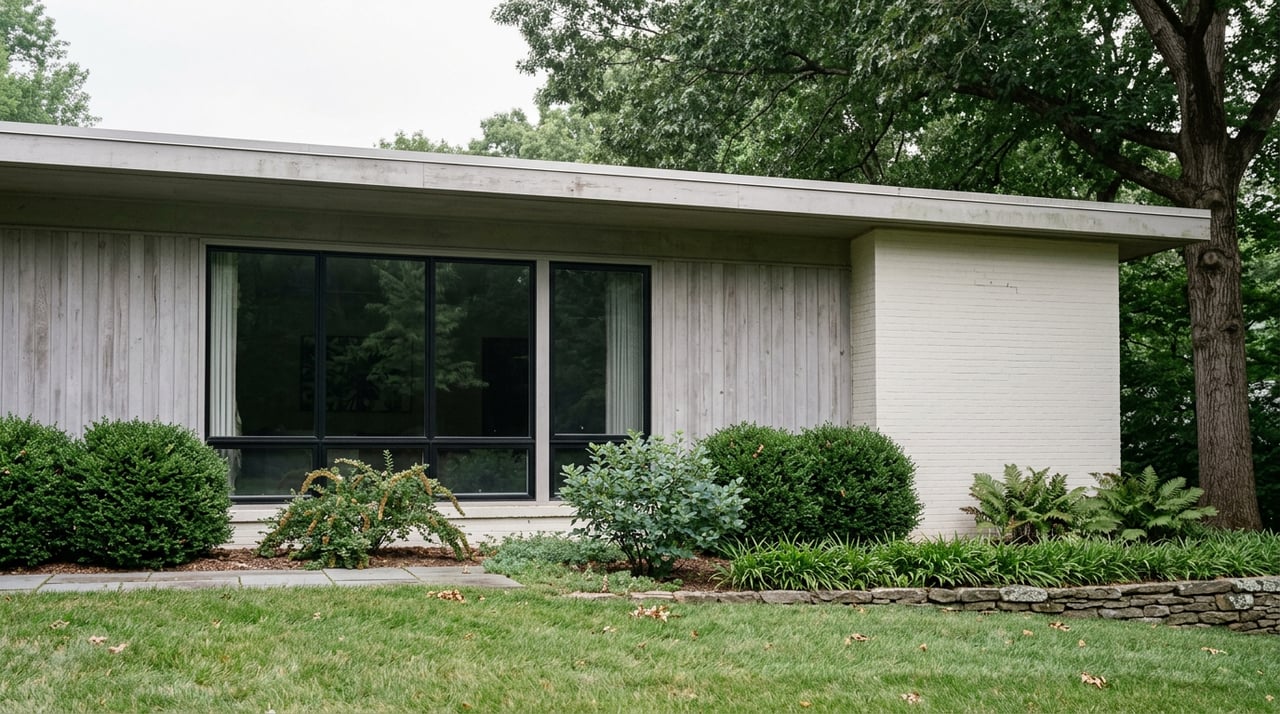
- Mix of mid-century single-family homes on larger lots, townhouse communities, and garden-style condos.
- Most price variation and typically better value per square foot than Old Town.
- Transit ranges from Van Dorn Street Metro access to commuter-friendly I-395 connections.
- Best fit if you want more space, parking, and yard options while staying in Alexandria.
Housing and price signals
Old Town homes
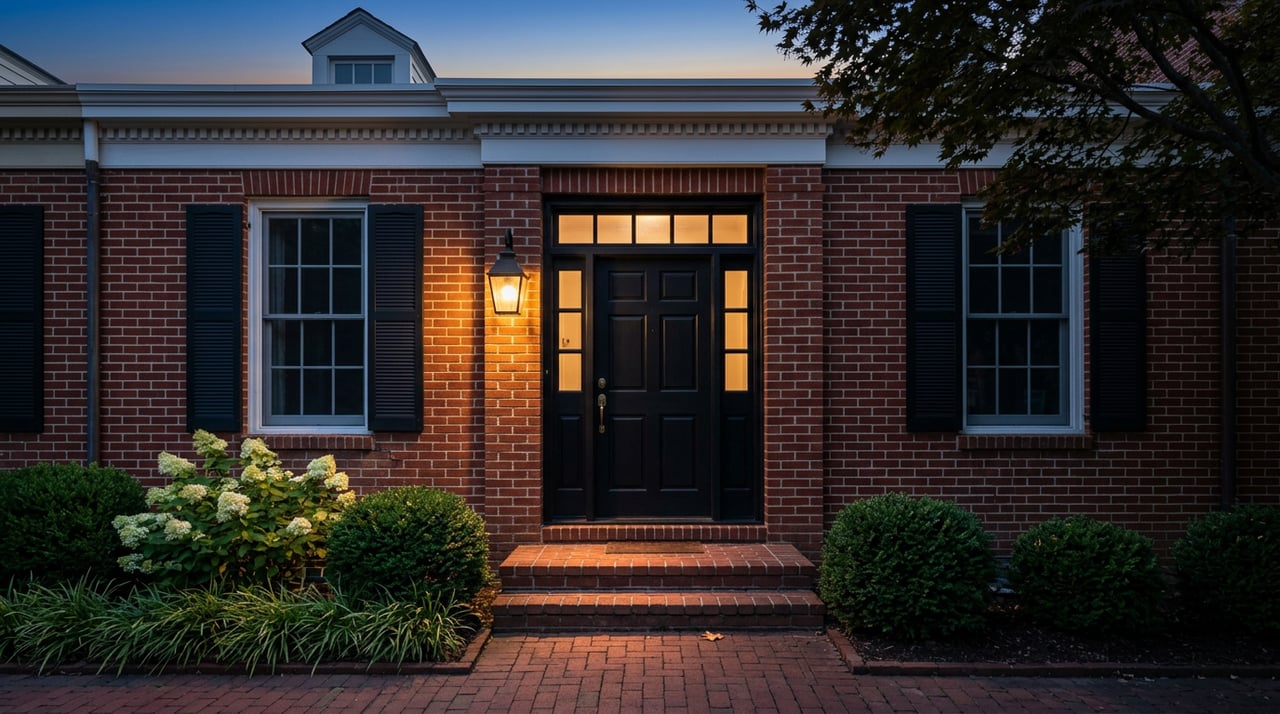
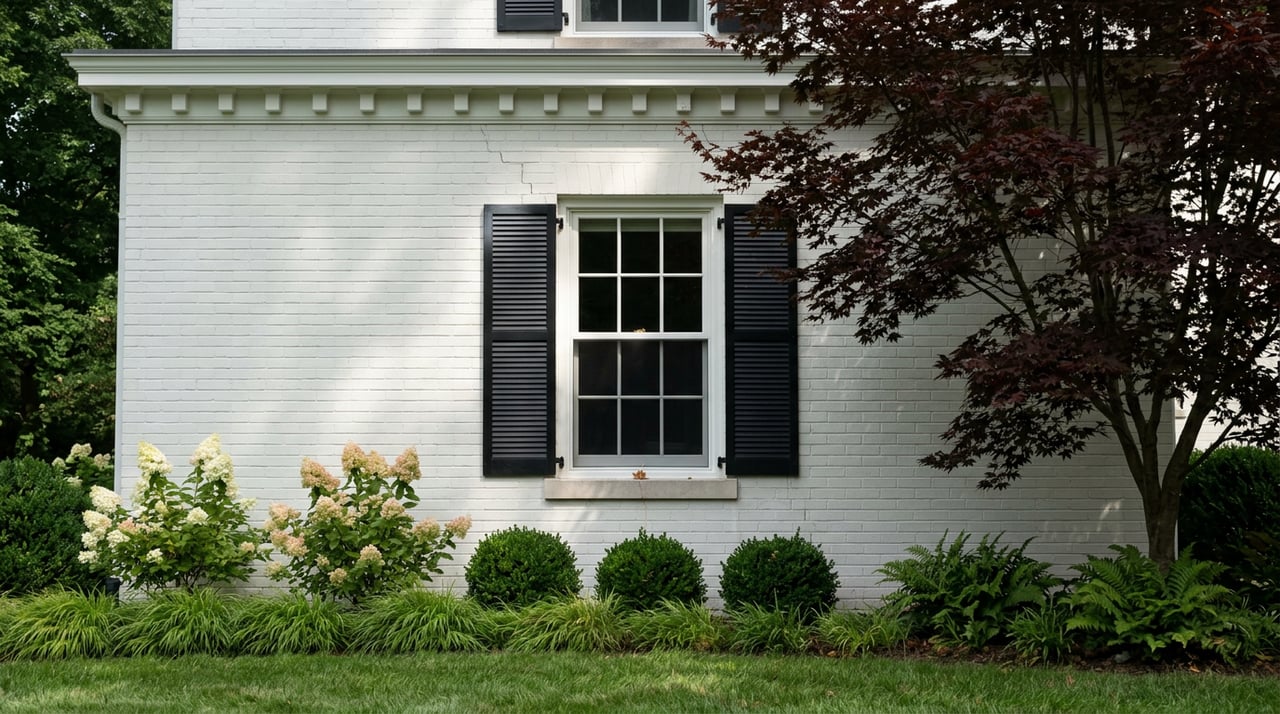
You will see historic rowhouses and townhomes on narrow lots, often with vertical layouts and period details. Condos range from small buildings in historic conversions to newer infill residences. Renovated homes command a premium. Exterior updates within the historic district usually require design review, which can shape your renovation timeline and materials.
Del Ray homes
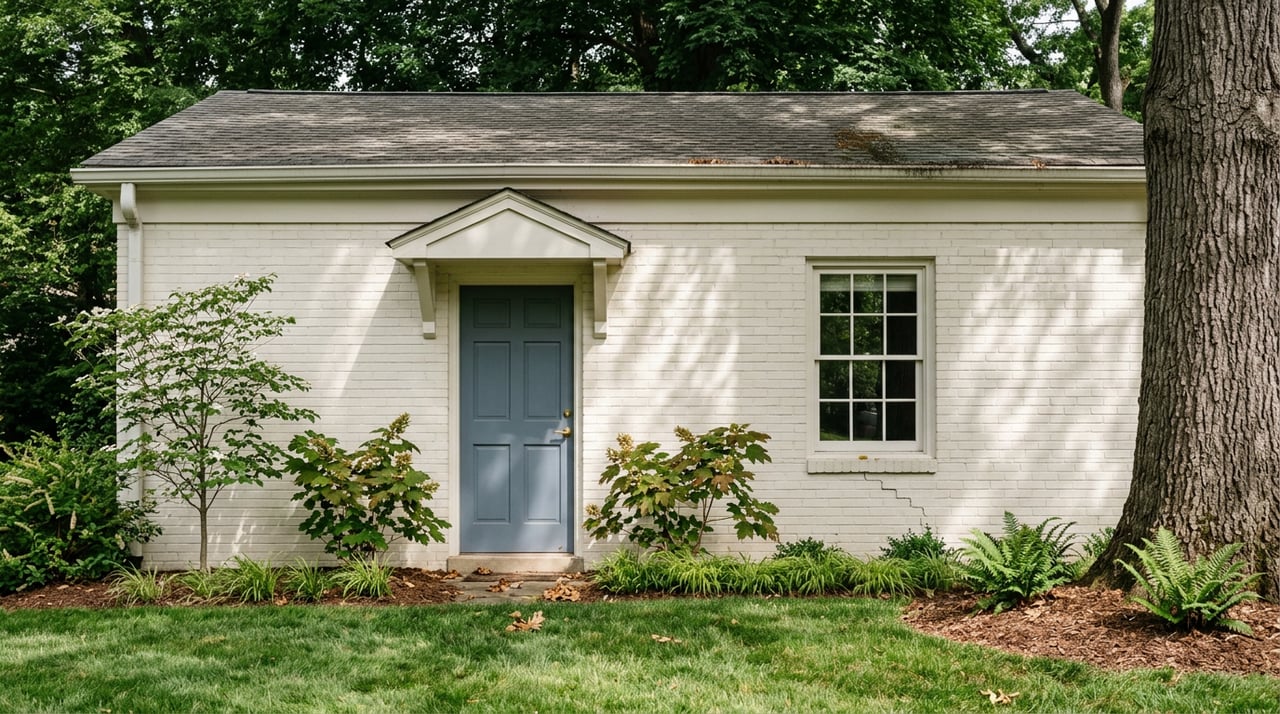
Expect bungalows and craftsman-style houses with smaller front yards and detached garages. Many homes have been modernized while keeping original charm. Infill townhomes appear on some subdivided lots. Prices sit below Old Town overall, though top-to-bottom renovations and preferred blocks can trade at a premium.
West End homes
Inventory spans larger-lot single-family homes, townhome communities, and multiple condo developments. You often get more square footage and outdoor space for the price compared with Old Town. Condition varies widely, from original mid-century to fully updated. Driveways and off-street parking are more common here than in Old Town or Del Ray.
Ownership costs to consider
- Condos and townhomes include HOA fees that cover items like exterior maintenance, amenities, and common-area insurance.
- Historic properties may require specialized contractors for masonry, windows, and materials, which can add cost.
- Larger yards in the West End can bring higher landscaping and maintenance, though you will likely face fewer exterior-regulation hurdles.
Commute and transit
Old Town access
Living near King Street–Old Town Metro can reduce transit times to downtown DC. Alexandria Station offers VRE and Amtrak for regional travel. Reagan National Airport is a short Metro ride. If you work downtown and prefer transit, Old Town is often the most efficient choice.
Del Ray access
There is no Metro station inside Del Ray, which adds a few minutes to most commutes. Many residents bike or bus to King Street or Braddock Road, or drive to nearby stations and park-and-ride options. Commute times can still be reasonable, especially if you are comfortable mixing modes.
West End access
Commute feel in the West End depends on proximity to Van Dorn Street Metro and major routes like I-395. Some pockets offer competitive times to DC, while others face heavier highway congestion at peak hours. If you rely on driving or want a hybrid car-and-rail strategy, evaluate specific blocks for access.
Parking, walking, and biking
- Old Town offers top-tier walkability but tighter on-street parking and limited private parking.
- Del Ray typically has more driveways and modest garages than Old Town, with a walkable main street environment.
- West End is more car-oriented but has neighborhoods with sidewalks, trails, and ample on-site parking.
Lifestyle and amenities
Old Town experience
You get a lively main street with restaurants, boutiques, galleries, and frequent visitors. Waterfront parks and the promenade add scenic options for running, biking, and weekend strolls. The area has a wider mix of hotels and nightlife than Del Ray or most of the West End.
Del Ray experience
Mount Vernon Avenue is lined with independent cafés, neighborhood restaurants, and local shops. The calendar features events and markets that create a strong sense of connection. Evenings are generally quieter than Old Town, with a focus on small-scale, local gathering places.
West End experience
You will find more suburban commercial corridors with grocery stores, shopping centers, and a mix of chain and local dining. Some sections include larger parks and recreational facilities. Newer multi-family projects cluster near major roads and transit, so the character can shift within a short drive.
Rules, schools, and practicalities
Historic district and exterior changes
Many Old Town properties lie within a historic district. Exterior alterations typically require review and approval by the City’s Board of Architectural Review. This can affect additions, window replacements, and material choices. Del Ray is not a citywide historic district, though some individual properties may be protected. West End properties generally follow standard zoning and permitting.
Schools and attendance zones
Alexandria City Public Schools serves the entire city. Attendance zones can change over time. Always verify current boundaries and any capacity updates directly with ACPS before you rely on a specific assignment.
Flood and environmental notes
Riverfront and low-lying sections of Old Town may fall within special flood hazard areas. Confirm flood maps and insurance requirements on a property-by-property basis. Del Ray and the West End have more limited flood concerns, but due diligence is important for any home.
Taxes and assessments
City property taxes and assessments are set annually. Review the City of Alexandria finance resources to confirm the current year’s rates and any special assessment districts that could apply to your property type.
How to choose quickly
- Choose Old Town if walkability, historic ambiance, and short transit access are your top priorities.
- Choose Del Ray if you want a neighborhood feel with local retail and a quieter, low-rise context.
- Choose the West End if you want more space, parking, and a wider range of price points.
If your list includes a mix of these priorities, focus on specific blocks near your most-used commute route or transit node, then compare recent sales on those blocks. The right micro-location can balance your trade-offs.
On-the-ground homework checklist
- Visit each area at three times: weekday morning, weekday evening, and weekend midday. Note traffic, parking, and noise.
- Time your actual commute during peak hours by your preferred mode. Repeat at least twice.
- Review recent comparable sales for the closest blocks rather than relying on broad neighborhood averages.
- Ask about past and pending exterior approvals if you plan to renovate a home in Old Town.
- Confirm your school attendance zone with ACPS, including any active redistricting.
- Check flood maps and determine whether flood insurance applies for properties near the waterfront or in low-lying areas.
- For condos and townhomes, evaluate HOA dues, reserve health, and what is covered.
- Look into planned development and small area plans to understand near-term changes to streets and amenities.
Work with a local advisor
Selecting between Old Town, Del Ray, and the West End is about matching your lifestyle priorities with the housing stock, value, and access each area offers. A local, data-driven advisor can help you weigh micro-location differences, vet HOA and renovation constraints, and structure competitive offers without overpaying. If you are debating between two neighborhoods, we can model different commute scenarios, maintenance profiles, and projected resale considerations to clarify the best fit.
Ready to tour or compare recent sales on your short list? Connect with Conor Sullivan to get a tailored, block-by-block plan for your move in Alexandria.
FAQs
Which Alexandria neighborhood is best for commuting to downtown DC?
- Old Town often offers the fastest transit access due to King Street–Old Town Metro and regional rail, while West End commutes can be competitive near Van Dorn or I-395; Del Ray is slightly farther from Metro but accessible by bike or short drive to nearby stations.
How walkable are Old Town, Del Ray, and the West End?
- Old Town is the most walkable overall, Del Ray has a very walkable main street and nearby amenities, and the West End has walkable pockets but is more car-oriented in many sections.
Do Old Town homes have special renovation restrictions?
- Many Old Town properties are in a historic district where exterior changes generally require Board of Architectural Review approvals; plan timelines and materials accordingly.
Where can my budget buy the most space in Alexandria?
- The West End typically offers the best value per square foot and more yard or parking options, Del Ray offers strong value with smaller lots, and Old Town is usually the highest per-square-foot price for its location and historic character.
What should I expect for parking in each area?
- Old Town often has limited private parking and tighter on-street options, Del Ray tends to have more driveways and modest garages, and the West End most commonly provides driveways and off-street parking.