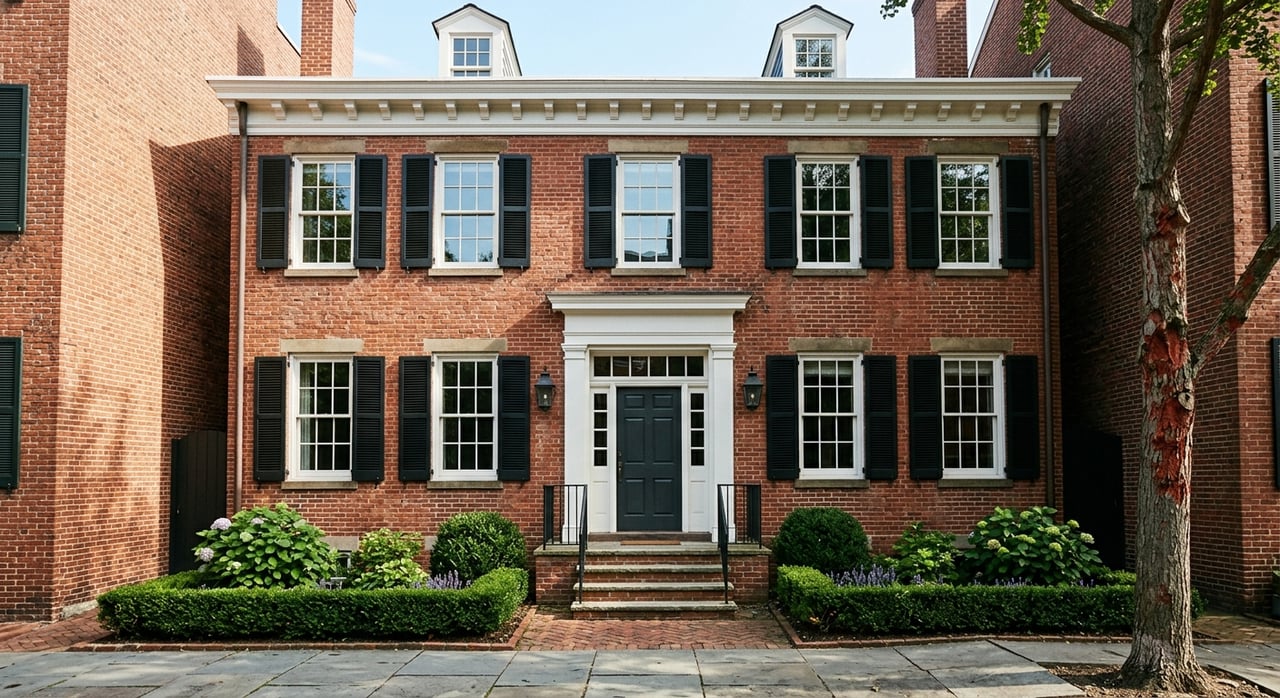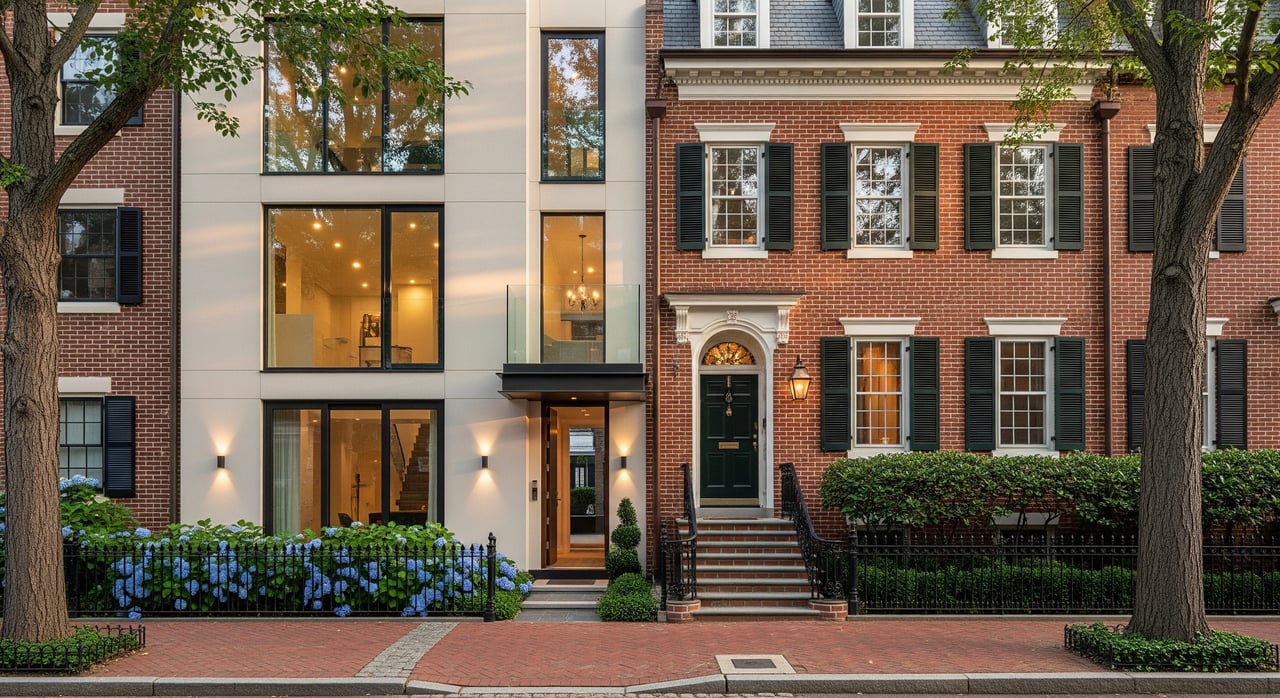
Trying to choose between a brand-new home and a resale in Alexandria? You are not alone. With historic streets, evolving transit hubs, and tight inventory, the tradeoffs feel bigger here than in many markets. This guide breaks down costs, timelines, warranties, contracts, HOAs, and lot considerations specific to Alexandria, then gives you a clear decision checklist to move forward with confidence. Let’s dive in.
Alexandria market context
Alexandria sits in a high-demand, low-inventory pocket of Northern Virginia where location often drives product type and price. Near Old Town, King Street, Braddock Road, Carlyle, and Potomac Yard, you tend to see more condos and townhomes, plus premiums for proximity to WMATA Metro. In historic Old Town, exterior changes and new builds may face Board of Architectural Review oversight, which can affect design choices and timelines. Lot scarcity near the waterfront and transit corridors also creates notable premiums for larger or unique sites.
Cost comparison: new vs resale
New construction usually starts with a base price, then climbs with options, upgrades, and potential lot premiums for size or setting. Plan for deposits tied to upgrade deadlines and, for custom builds, possible interest reserves or construction-loan costs. Modern systems and better insulation can lower near-term maintenance and utility bills, which offsets some of the upfront premium.
Resale homes may list lower than comparable new builds, especially in established neighborhoods, but can require immediate updates to systems, finishes, or layouts. Budget for inspections, potential remediation, and renovations like roofing, HVAC, windows, and kitchens or baths. In tight submarkets, resale prices can match or exceed new builds if the location or architecture is especially desirable.
Quick budgeting reminders:
- New: base price, options, lot premiums, inspection costs during build, potential loan or rate-lock fees.
- Resale: home inspection, sewer scope, radon, pest, immediate repair or refresh budgets, possible seller credits.
- Both: closing costs, lender fees, title insurance, transfer taxes, and ongoing HOA or condo dues.
Timelines and delivery risk
Resale purchases typically close in about 30 to 45 days with financing in place, which is helpful if you need certainty on move-in. You can occupy immediately after closing, subject to any agreed seller rent-backs.
New construction timelines vary. Inventory or spec homes can close in roughly 30 to 90 days if complete. Semi-custom or build-to-order homes commonly take 6 to 12 months or longer, depending on builder capacity, permitting, materials, and weather. Expect schedule risk and review your contract for remedies or credits tied to delays.
How to manage timing risk:
- Clarify milestones, inspection windows, and what counts as substantial completion.
- Confirm your rate-lock strategy and backup plan if the timeline shifts.
- For resale, build in time for HOA or condo document review and appraisal.
Warranties and protections
Most builders offer layered warranty coverage that commonly includes one year for workmanship and materials, two years for systems like electrical, plumbing, and HVAC, and up to ten years for major structural elements. Confirm exact coverage, exclusions, and how claims are handled, including whether a third party administers the structural warranty.
Resale homes do not come with automatic warranties, though a seller-paid or buyer-purchased home warranty can help cover some systems for a limited period. Your protection relies on disclosures and the strength of your inspection and appraisal contingencies.
What to review closely:
- Builder warranty booklet, claim procedures, and response timelines.
- For resale, the cost and coverage limits of any home warranty and the age of major systems.
Contracts and negotiation
Builder agreements are proprietary and tend to favor the builder. They often include strict schedules, limited inspection rights, liquidated damages, and firm change-order procedures. Options must be selected by set deadlines and may be nonrefundable after a point.
Resale contracts typically use standard regional forms with more balanced contingencies for inspection, appraisal, and financing. You can often negotiate price, repairs, or credits based on inspection findings and market conditions.
Negotiation pointers:
- With builders, ask for clarity on change-order caps, inspection access, and remedies for delays.
- With resale, target credits or repairs for health, safety, or major system issues.
- In both cases, define earnest money timelines and refundability conditions.
HOA and condo factors
Newer communities may start with lower dues but limited reserves, especially while the developer controls the association. As the community matures, dues can adjust to reflect real operating costs and capital reserves. Older associations often have more established budgets and reserves, yet they can face major projects that drive special assessments.
Governing documents shape everyday life and resale value. Rules on leasing, pets, exterior changes, and parking can differ between neighborhoods and buildings. Review budgets, reserve studies, recent meeting minutes, and the insurance summary to understand financial health and planned capital work.
What to evaluate:
- Budget and reserve study to gauge long-term stability.
- Delinquency rates and any pending special assessments.
- Turnover status if the developer still controls the board.
Lot and architecture tradeoffs
Lot size and privacy command premiums in central Alexandria, and infill development often means narrower townhome lots. If you prioritize a specific street or yard size in Old Town or near the waterfront, resale inventory may be your most realistic path.
Historic districts add character and community identity, and they can limit exterior changes to preserve streetscapes. In Old Town, approvals for alterations or new construction may require additional review, which can affect design scope and timelines.
Environmental and transit factors also matter. Low-lying or waterfront areas can carry floodplain considerations and higher insurance costs. Tree preservation and stormwater rules can add steps for new builds or major additions. Metro access near King Street, Braddock Road, Van Dorn, and Potomac Yard influences product types and can impact pricing, parking, and commute convenience.
Inspections and due diligence
For new construction, aim for phased inspections if your contract allows, such as pre-drywall and mechanical rough-in, followed by a comprehensive final inspection. Document issues during the builder’s punch-list period and follow the warranty claim process precisely.
For resale, standard inspections typically include a general home inspection along with radon, pest, and sewer scope where appropriate. Verify permits for past renovations or additions to confirm code compliance and quality.
Due diligence checklist:
- New: confirm inspection access, photograph stages, track punch-list items, save all warranty documents.
- Resale: verify permits, review age of systems, and estimate near-term replacement costs.
- Both: read condo or HOA documents, budget for dues and potential assessments.
Decision checklist for buyers
-
Define priorities
- Must-haves: bedrooms, commute access, yard size, architectural style, and applicable school zones.
- Wants: customization, energy efficiency, garage, modern finishes.
-
Timeline
- Need to move soon, consider resale or completed spec homes.
- Can wait 6 to 12 months, consider semi-custom or build-to-order.
-
Budget assessment
- Secure pre-approval and include realistic upgrade budgets for new builds and renovation budgets for resale.
- Compare total cost of ownership, mortgage, HOA, taxes, insurance, and maintenance.
-
Risk tolerance
- Comfortable with construction variability, lean new.
- Prefer clearer contingencies and faster occupancy, lean resale.
-
Location vs product
- Exact neighborhood or lot is critical, resale may be the only option in historic pockets.
- New finishes and lower maintenance matter more, consider Potomac Yard or Carlyle area options.
-
HOA and warranty review
- Request HOA budget, reserve study, minutes, and governing documents.
- Read builder warranty coverage and claim procedures before you sign.
-
Contract and inspection strategy
- Resale, secure full inspection and appraisal contingencies, and plan for credits or repairs.
- New, negotiate inspection access, change-order rules, and remedies for delays.
-
Professional advisors
- Hire a local Real Estate Agent experienced with both new and resale, plus a construction-savvy inspector. For complex custom builds, consider consulting a real estate attorney.
Budgeting upgrades and renovations
In new construction, clarify what is standard versus optional, then prioritize structural or hard-to-change items first. Common upgrades include kitchen packages, flooring, tile, lighting, and landscaping. Remember window treatments, garage finishes, and storage solutions, which are often not included.
For resale, align your renovation plan with the home’s existing systems and structure. Budget for immediate safety or water management items before cosmetic changes. Build a reserve for near-term replacements like roof, HVAC, or windows.
Property taxes and assessments
New construction is typically assessed when the home is complete, which can increase your property tax obligation compared with the land-only phase. Resale homes already have established assessments, though they can change with citywide reassessments. Factor these differences into your total cost of ownership.
How we help in Alexandria
Choosing between a new build and a resale takes local context, contract fluency, and a clear plan for due diligence. Our team brings neighborhood-level insight across Old Town, Del Ray, the West End, Carlyle, and Potomac Yard, plus hands-on experience with builder contracts, HOA review, and inspection strategy. We help you model total cost of ownership, weigh location versus product, and negotiate for the outcomes that matter most to you.
Ready to compare specific properties and build a plan that fits your timeline and budget? Connect with Conor Sullivan for a calm, data-driven path to your next home in Alexandria.
FAQs
Is new construction cheaper in Alexandria?
- Not usually upfront, since upgrades and lot premiums add to the base price, but lower near-term maintenance and energy use can offset some costs over time.
How long does a custom build take locally?
- Semi-custom or build-to-order homes commonly run 6 to 12 months or more, while completed spec homes can close in roughly 30 to 90 days.
What warranties come with new homes?
- Many builders offer one year on workmanship, two years on systems, and up to ten years on structural coverage, but you should confirm exact terms and exclusions.
Can I negotiate with a builder in Northern Virginia?
- Yes, especially on spec inventory or end-of-phase homes, while custom builds focus more on allowances, change-order rules, and timelines.
What should I check in an HOA before buying?
- Review the budget, reserve study, recent minutes, bylaws, insurance summary, delinquency rates, and any planned capital projects or special assessments.
What inspections are best for older Alexandria homes?
- Start with a comprehensive home inspection, then add radon, pest, and sewer scope as appropriate, and verify permits for past renovations.