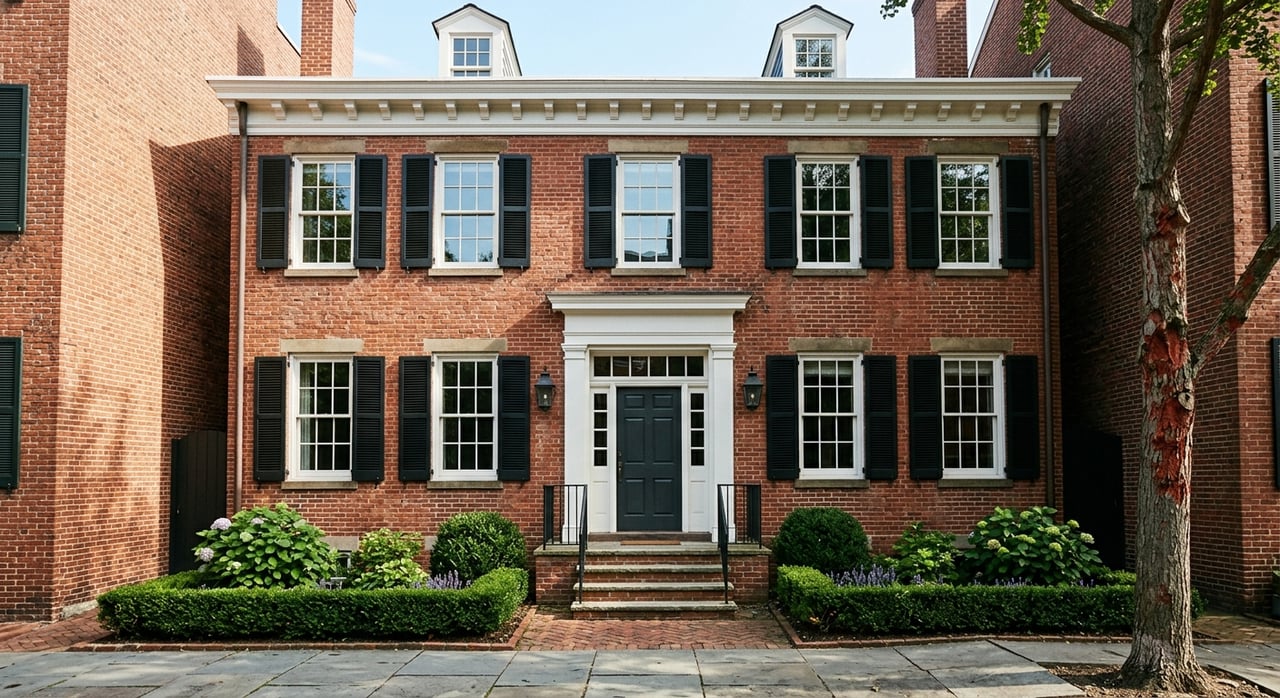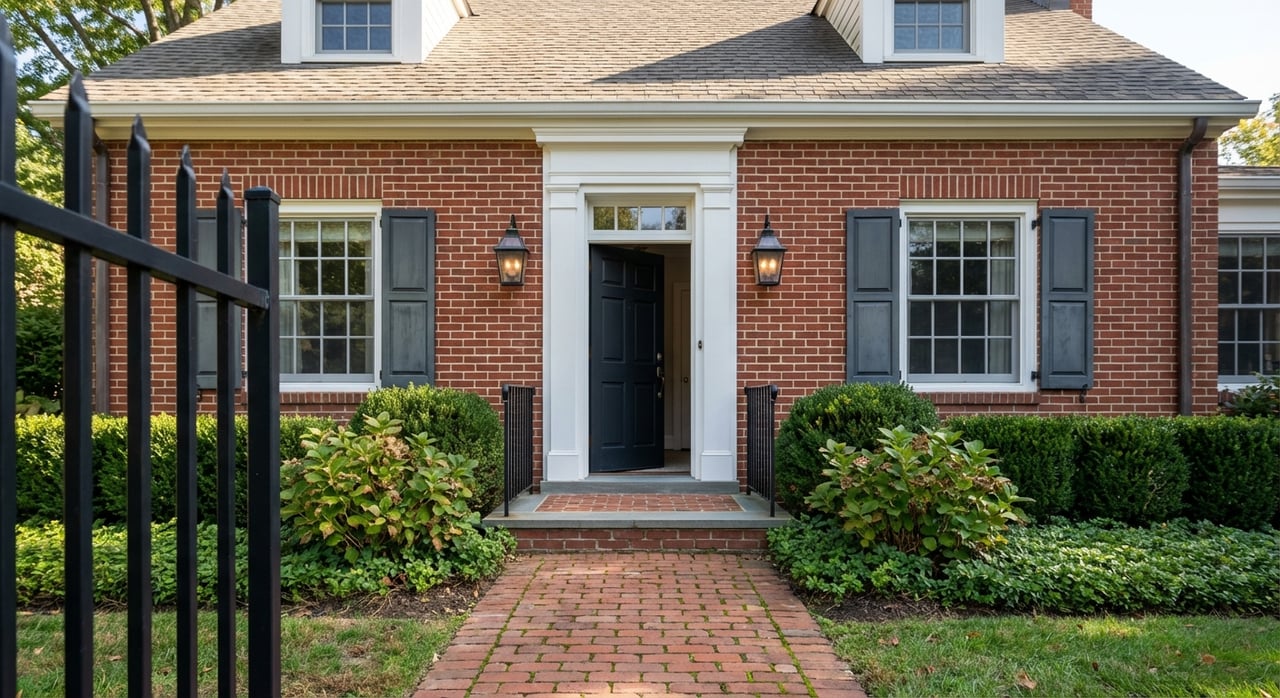
Want a yard, a driveway, and a little more elbow room than your Arlington condo offers, but not sure how to bridge the price gap or the timing? You’re not alone. Many Arlington condo owners wrestle with tight single‑family inventory, financing questions, and the order of operations. This guide breaks down your options, shows how to estimate net proceeds from your condo, and outlines practical Arlington tradeoffs so you can move up with confidence. Let’s dive in.
Arlington market at a glance
Arlington remains a higher‑cost market with a notable split between condos and detached homes. Recent county‑level snapshots show a median sold price in the mid‑$600Ks to mid‑$700Ks range and a typical home value index near the low‑$800Ks. Detached homes in many neighborhoods often exceed seven figures, which is why planning your equity, financing, and timing matters.
Days on market can stretch or compress depending on price band and property type. Recent snapshots show longer marketing times than the hyper‑competitive 2021–2022 era, but the detached segment remains supply‑constrained in popular neighborhoods. If you own a well‑located condo, it can sell efficiently with the right presentation and pricing, but your single‑family search may still take longer.
Why numbers differ
Different data vendors use different methods. Some report the monthly median of homes that closed, while others publish a smoothed index of typical values. Use closing comps for micro‑neighborhood decisions and view county‑level medians or indexes as context for trend direction.
Know your equity and net proceeds
Before you shop for a house, estimate what your condo sale will free up for a down payment and reserves. Northern Virginia sellers often budget total selling costs in the 8 to 11 percent range of the sale price. That range typically includes commissions, transfer and regional taxes, routine closing fees, and light prep or repairs.
If your condo has been your principal residence, the federal home‑sale exclusion may reduce or eliminate capital gains tax on up to $250,000 of gain for single filers or $500,000 for married filing jointly, provided you meet the ownership and use tests. Review the IRS guidance on the home‑sale exclusion and Publication 523 for details, and consult your tax advisor for your situation. See the IRS overview of home‑sale exclusions for more information.
- IRS resource: review the home‑sale exclusion rules at the IRS’s topic page: IRS home‑sale exclusion basics.
County assessments also shape your planning. Arlington reported an overall residential assessed value increase for 2026, which influences projected tax bills and can impact net proceeds and escrow planning. For address‑level questions, check with the county assessor.
- County update: Arlington’s 2026 property assessments.
Quick example: net‑proceeds math
Consider a hypothetical Arlington condo sale at $650,000.
- Estimated selling costs at 9 percent: $58,500
- Remaining mortgage payoff: assume $380,000
- Estimated net before taxes: $650,000 − $58,500 − $380,000 = $211,500
- If you qualify for the federal home‑sale exclusion, you may owe no federal capital gains tax on the gain portion within the exclusion limits.
This example is for illustration only. Your numbers will vary based on your loan payoff, prep costs, and negotiated fees. The goal is to translate today’s condo value into a concrete down payment and cushion for your house search.
Financing your move: programs and prep
A strong financing plan lets you move decisively when the right house appears. Conventional loans can allow low down payments for qualified borrowers, with private mortgage insurance if you put less than 20 percent down. FHA loans start around 3.5 percent down, and VA loans can offer zero down for eligible veterans. Talk with your lender about total payment, mortgage insurance, and how each program fits your target price point.
- Program primer: Conventional loan basics and down payment options.
Condo‑specific lender checkpoints
Condo financing is not identical to single‑family financing. Lenders and agencies review the building’s budget, reserves, owner‑occupancy rate, HOA dues delinquencies, commercial space mix, insurance, and any litigation. A project that misses agency standards can limit buyer financing and add time.
- Standards reference: Fannie Mae condo project standards.
- FHA route: many projects can be evaluated for single‑unit approvals when a full project approval is not in place. See: FHA single‑unit approval overview.
If you plan to sell to the widest buyer pool, request your HOA packet early and resolve any avoidable issues before you hit the market.
Buy before you sell: bridge loans and alternatives
If you want to buy first, a bridge loan or equity line can help you tap your condo’s equity temporarily. Bridge loans are short‑term and often carry higher interest rates and fees. They work best when your condo is highly marketable and you have a clear exit plan.
Alternatives include a HELOC, a cash‑out refinance, or third‑party “buy before you sell” programs. Costs, fees, and timelines vary, so compare scenarios carefully.
- Consumer overview: Bridge loan alternatives and tradeoffs.
- Example program category: Buy‑before‑you‑sell services explained.
Three paths from condo to house
There is no single right way. Choose the path that matches your finances, timeline, and risk tolerance.
A) Sell first, then buy
Pros
- You know your exact net proceeds before you shop.
- No bridge loan or double‑mortgage risk.
- Stronger, cleaner financing file when you do buy.
Cons
- You may need temporary housing or a rent‑back.
- Low single‑family inventory can cause you to miss a target house while you wait to close your sale.
Best for sellers who value certainty and want to avoid carrying costs, especially when condo demand in your submarket is steady.
B) Buy first, then sell
Pros
- You can write a stronger, non‑contingent offer in a competitive detached market.
- You control timing and avoid a rushed house hunt.
Cons
- Bridge loans and short‑term financing are costlier.
- You might carry two mortgages if your condo takes time to sell.
Best for sellers with strong equity, stable income, and a conservative back‑up plan if the condo sale is slower than expected.
C) Make a contingent offer
Pros
- You avoid double‑carrying costs.
- Gives you a purchase pathway while your condo is listed.
Cons
- In tighter Arlington submarkets, sellers often prefer offers without a home‑sale contingency.
- Sellers may add a kick‑out clause, which allows them to accept another offer if you cannot remove your contingency by a deadline.
Typical contingency windows run 30 to 60 days, but timelines vary by deal. Contingencies can work when the seller is flexible or inventory is looser.
Coordinate your closings: a practical checklist
Aim to close your condo sale and house purchase within a few days to reduce stress. Here is a simple sequencing checklist:
- Get preapproved and set your target buy budget before you list.
- Order the HOA/condo documents early. Budget extra time for lender project review if your buyer’s financing requires it.
- Align contract dates: attempt a Friday condo sale closing with a Monday home purchase closing, or negotiate a short rent‑back.
- Confirm lender timelines, appraisal, and condo review milestones in writing.
- Reserve movers and short‑term storage, and schedule utility transfers for both properties.
Local tradeoffs: neighborhoods, commute, and schools
Many Arlington condos cluster around transit‑rich corridors such as Rosslyn, Courthouse, Clarendon, Ballston, Virginia Square, Pentagon City, and Crystal City. If you are trading a central condo for a single‑family home in north or west Arlington, expect higher price points, different maintenance budgets, and new commute patterns.
-
Commute: Quantify your change in commute time if you move farther from Metro. Factor in ART and Metrobus lines, and how your route shifts to I‑66 or Route 50. County resources offer useful context on regional transit and service planning: Arlington transit and commuter information.
-
Schools: Arlington Public Schools assign attendance zones by address and operate option programs with lotteries and transfer policies. Always confirm boundaries for a specific address before you write an offer: APS boundary and enrollment resources.
Two quick vignettes to frame tradeoffs:
- Clarendon condo to Cherrydale house: You may gain a private yard, off‑street parking, and more interior space. You could trade a short Metro walk for a short drive or bus to Metro, plus a slightly longer commute window.
- Pentagon City condo to Lyon Park or Westover house: You may shift from elevator living to a detached home with storage and a patio. Expect different HOA costs, a new yard maintenance routine, and a commute that may mix bus and road segments.
Questions to ask your lender and HOA
Lender questions
- What is my max purchase price if I keep 6 to 12 months of cash reserves after closing?
- How does my approval change at 10 percent vs 20 percent down, including mortgage insurance and total payment?
- Can you underwrite me as a “non‑contingent” buyer if I use a bridge loan or HELOC? What are the exact costs and exit plan milestones?
- How do you handle condo project reviews and single‑unit approvals if my buyer uses FHA or if the building is not yet approved?
HOA document checklist
- Current budget and reserve study, plus recent bank statements.
- Insurance certificate, rental cap or lease policies, and any litigation disclosures.
- Meeting minutes for the past 12 months and the estoppel or resale certificate.
Review these early. Agency reviewers look at reserve strength, owner‑occupancy percentage, HOA delinquency levels, and commercial space mix. Adverse or missing items can slow a buyer’s loan or narrow the buyer pool.
- Reference: Fannie Mae project standards and key metrics.
A simple 90‑day move‑up playbook
Weeks 1–2: Planning and prep
- Get a pricing and proceeds analysis on your condo.
- Line up preapproval and pick your financing path.
- Request HOA documents and resolve easy issues.
- Map target neighborhoods and commute options.
Weeks 3–5: List and search in parallel
- Launch your condo with strong presentation and targeted marketing.
- Begin house tours with a clear price band and must‑have list.
- If you plan to buy first, finalize bridge or HELOC terms.
Weeks 6–9: Offer and alignment
- Aim to ratify your condo sale and house purchase within days of each other.
- Choose rent‑back or tight close‑to‑close timing to reduce interim housing.
- Confirm lender milestones, appraisals, and any condo project reviews.
Weeks 10–12: Close and move
- Complete your condo closing, then your home purchase.
- Transfer utilities, keys, parking permits, and HOA info.
- Celebrate your yard and new space.
The market outlook and timing
Regional forecasters project modest single‑family price increases and modest condo movement in 2026. That backdrop favors a deliberate, data‑driven approach. If you need to sell for maximum proceeds and then buy in a scarce detached market, you can still win with clean terms, flexible timing tools, and clear lender prep. Keep in mind that cancellation rates have increased nationally, so build realistic buffers into your plan.
- Forecast: NVAR’s 2026 regional outlook.
Thinking about your own move‑up? Start with clarity on value, proceeds, and the right path for your budget. Then put a timeline to it and get your HOA and lender ducks in a row.
If you want a tailored Arlington plan, market‑level comps, and a step‑by‑step strategy from condo to house, reach out to Conor Sullivan for a confidential consult.
FAQs
How do I estimate proceeds from selling my Arlington condo?
- Start with a realistic sale price, subtract typical selling costs around 8 to 11 percent, and your loan payoff. If you qualify for the federal home‑sale exclusion, it may reduce capital gains. Review IRS guidance and speak with your tax advisor.
What if my condo building isn’t FHA or VA approved?
- Some buyers can pursue single‑unit approvals, but it adds time and documentation. Ask your HOA for a full packet and confirm lender requirements early. See FHA single‑unit approvals for basics.
Is buying before selling realistic in Arlington’s detached market?
- Yes, if you have the equity and cash flow to carry a short‑term loan. Bridge loans cost more, so compare total costs and your exit plan. Start with this bridge‑loan primer.
What are the biggest surprises for condo owners moving up?
- Condo project reviews can slow buyers’ loans, HOA docs can reveal issues late, and detached home inventory can be tight in certain pockets. Order HOA docs early, align lender timelines, and plan for a longer search window.
How should I factor Arlington schools into my search?
- School assignment is address‑based with option programs and lotteries. Always verify boundaries for a specific property on APS’s boundary and enrollment resources before making an offer.
Will my commute change if I leave a Metro‑adjacent condo?
- Likely. Model a new route that may rely more on ART or Metrobus and arterial roads like I‑66 or Route 50. County resources help frame options: Arlington transit and commuter information.