If you are drawn to Alexandria’s riverfront but also love the charm of historic streets, you are not alone. Many buyers are trying to figure out how waterfront living and Old Town living overlap, where they differ, and what those tradeoffs mean in real life. This guide will help you understand the housing, lifestyle, transit, parking, and preservation factors that shape this part of Alexandria so you can make a more confident move. Let’s dive in.
Old Town and Waterfront Basics
Old Town Alexandria is a compact historic district with a long connection to the Potomac River. According to the City of Alexandria’s historic preservation materials, the area is roughly bounded by the Potomac River, Franklin Street, Washington Street, and Queen Street, with about 200 surviving structures that reflect late-18th- and 19th-century architecture.
That historic core and the waterfront are closely linked. The city’s waterfront design guidance shows a clear effort to make the riverfront feel like an extension of Old Town through consistent paving, lighting, and promenade materials that reflect the neighborhood’s historic character.
What Housing Looks Like Here
Old Town homes
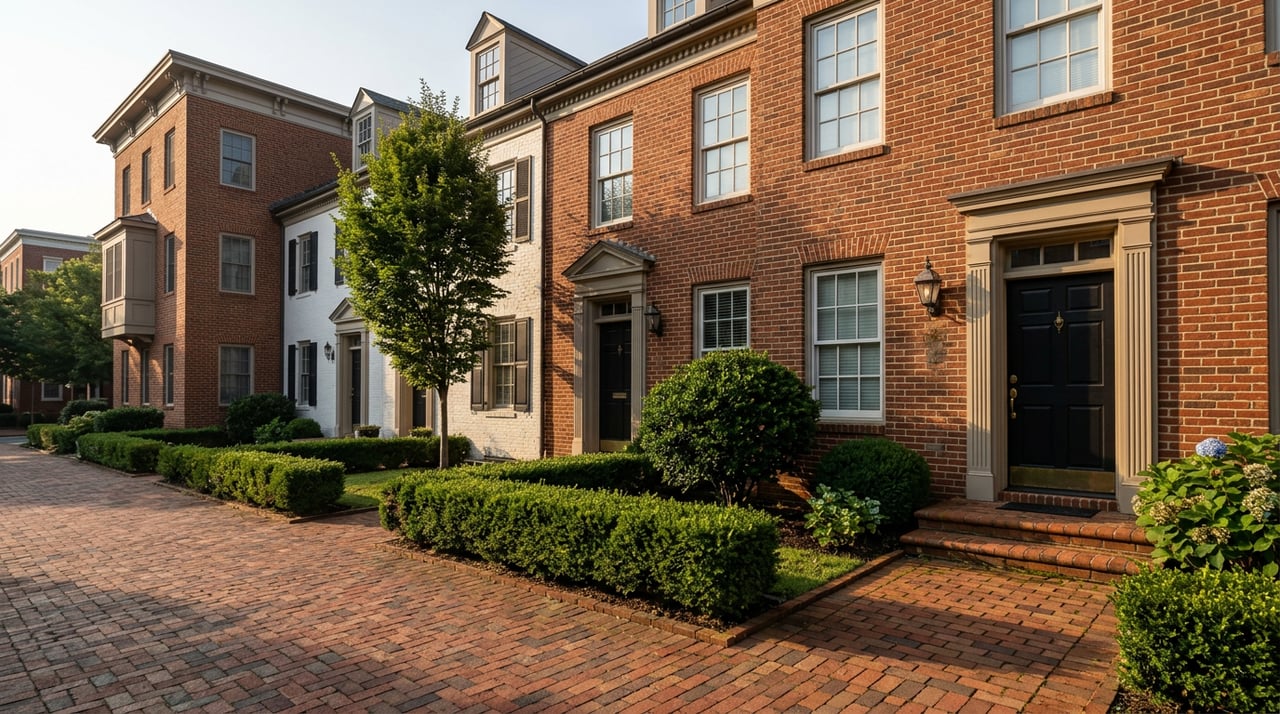
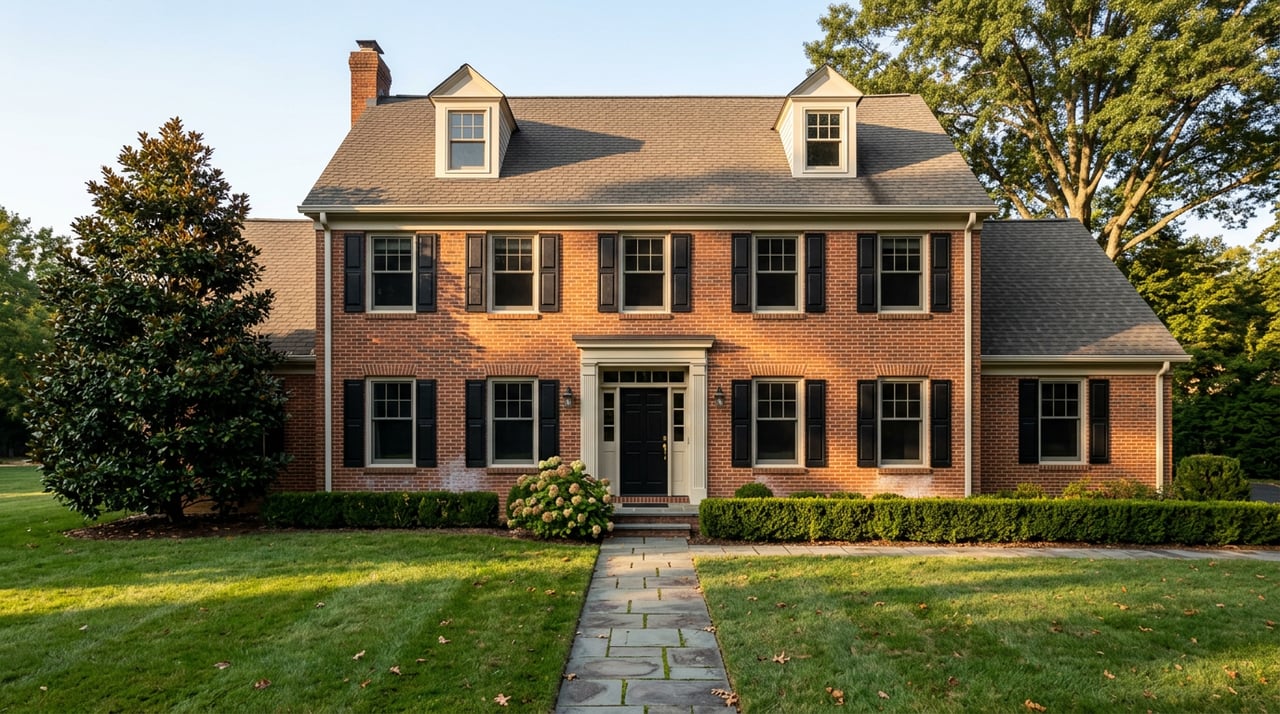
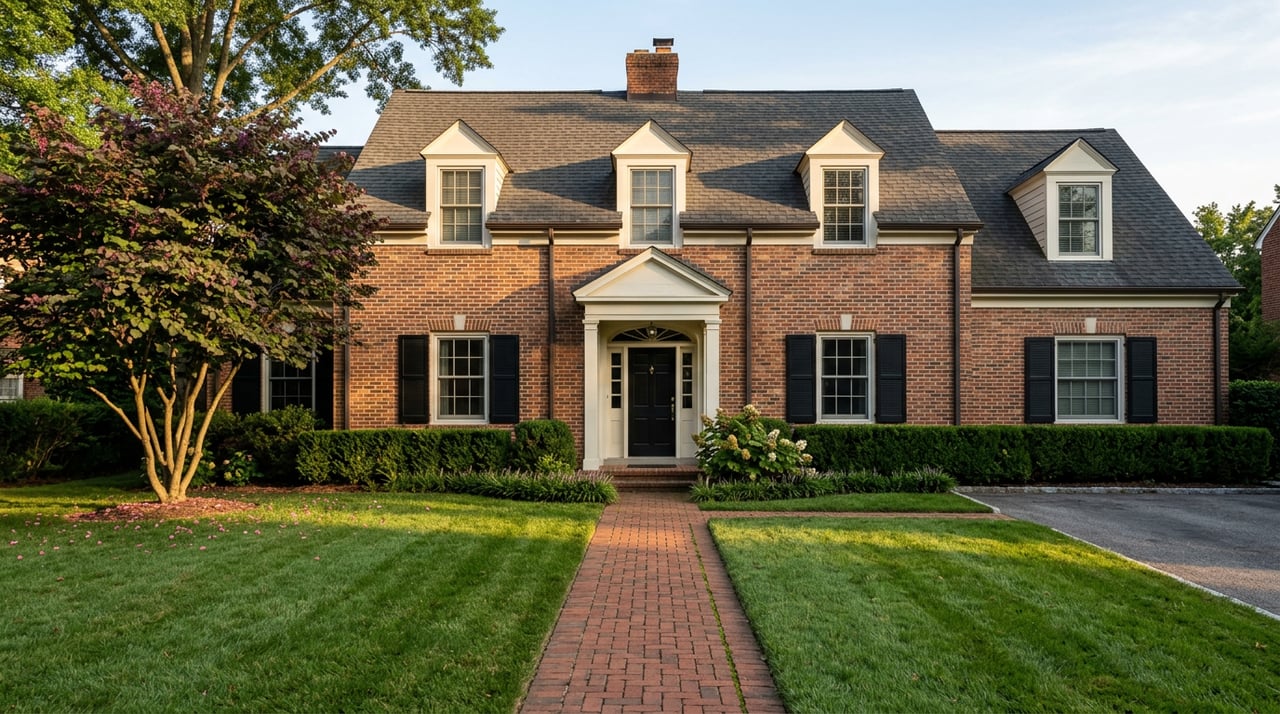
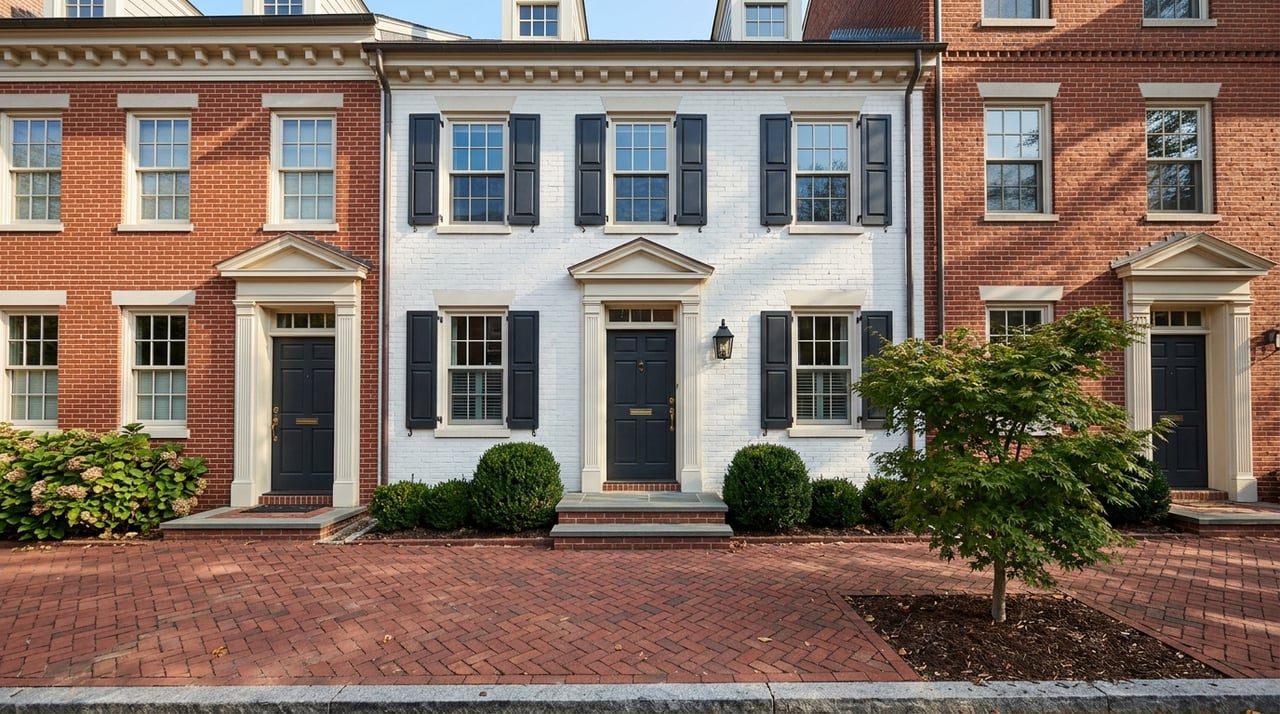
Old Town is best known for narrow-lot rowhouses and townhouses. The city’s history resources note that you will find examples of Georgian, Federal, Greek Revival, Italianate, Queen Anne, and Colonial Revival architecture, along with brick and frame buildings that give the neighborhood its layered look and feel.
If you are considering a classic Old Town home, that often means a property with historic character, a compact footprint, and details that set it apart from newer construction. In many cases, buyers are choosing Old Town because they value walkability, architecture, and a setting that feels deeply tied to Alexandria’s past.
Waterfront options
Not all waterfront housing is historic. While the broader area includes older structures and warehouse-influenced architecture, redevelopment has also introduced newer townhomes and condominiums. The city’s materials on Robinson Landing describe a project that added 26 townhomes and 70 condominiums, along with retail, dining, a promenade, and a revitalized pier.
That mix matters if you are trying to decide between charm and convenience. In this part of Alexandria, you may be able to choose between a historic rowhouse experience and a more contemporary waterfront residence, depending on your priorities.
Preservation Rules Matter
Exterior changes need review
One of the most important things to understand before you buy is that exterior work in Old Town is not fully discretionary. The Board of Architectural Review oversees the Old and Historic Alexandria District and must approve new construction and exterior alterations visible from a public way.
In practical terms, that can affect projects involving windows, facades, additions, and other visible updates. If you love the historic look of Old Town, these rules help preserve it. At the same time, they can shape timelines, design choices, and renovation budgets.
Why this matters for buyers and sellers
For buyers, preservation review is part of due diligence. You will want to understand not just the home’s current condition, but also what changes may require approval later.
For sellers, these guidelines can influence how improvements are perceived and how a home is positioned in the market. A thoughtful pricing and marketing strategy is especially important when a property’s value is tied to both historic character and location.
Daily Life on the Riverfront
Parks and public spaces
The waterfront is more than a view. It functions as a public network of parks, promenades, art, trails, and gathering spaces. The city says Waterfront Park creates a seamless transition from King Street to the river and regularly hosts small city-sponsored festivals and events.
The broader waterfront also includes shoreline access and recreational improvements. The city’s waterfront materials highlight Windmill Hill Park’s living shoreline project, trail, seating, picnic areas, and renovated dog park, along with destinations such as the Torpedo Factory Art Center.
Dining and activity near King Street
King Street remains the social and retail spine of the area. The city’s King Street-Strand Street pedestrian plan is designed to support a walkable environment with room for outdoor dining, signage, railings, and preserved architectural character.
For many residents, that is the real appeal of this location. You are not just buying a home near the water. You are buying into an everyday routine that can include walking to restaurants, spending time in public spaces, and moving easily between the historic core and the riverfront.
Transit Is a Major Advantage
Car-light living is realistic
Old Town offers unusually strong transit access for a historic neighborhood. The city describes the King Street-Old Town transit area as its largest transit facility and a premier hub, with Metro, DASH buses, the King Street Trolley, Capital Bikeshare, bike parking, carshare, taxis, private shuttles, plus nearby VRE and Amtrak service.
That gives you options if you commute, travel regularly, or simply prefer not to rely on a car for every errand. For many buyers, this is one of the strongest practical benefits of living in Old Town or near the waterfront.
The trolley helps connect daily life
The free King Street Trolley is especially useful. DASH says it runs every 15 minutes from 11 a.m. to 11 p.m., every day of the year, between King Street-Old Town Metro and City Hall/Market Square.
That route helps connect the Metro to the heart of Old Town without much hassle. DASH routes 30 and 31 also support circulation within the neighborhood, which can make short trips easier if you are living car-light.
Parking Is the Tradeoff
Transit is a strength, but parking is often the daily compromise. The city’s parking overview notes that metered on-street parking in Old Town is commonly limited to two or three hours, and some blocks use residential permit and guest systems, with overnight restrictions where posted.
If you are moving from a neighborhood with easy driveway or garage parking, this may feel like an adjustment. It does not mean Old Town is impractical. It simply means parking should be part of your decision-making, especially if your household depends on multiple vehicles.
Flooding Is a Real Consideration
Low-lying blocks need extra attention
If you are focused on the waterfront, flood risk should be part of your evaluation. The city’s Waterfront Flood Mitigation Project update states that flooding at the foot of Prince Street could occur almost every day of the year without action.
That does not mean you should avoid the area altogether. It does mean you should understand how location, elevation, building type, and city infrastructure planning may affect your comfort level and long-term ownership plans.
The waterfront is still evolving
The same city update explains that the interim Waterfront Park is a temporary condition ahead of future flood mitigation work and additional amenities. In other words, parts of the waterfront are still changing.
For buyers, that means today’s experience may not be the final version of the riverfront. For sellers, it is another reminder that local context matters when positioning a home and explaining its value to prospective buyers.
Waterfront vs. Old Town Living
If you are deciding between the two, it often comes down to what matters most in your day-to-day life.
| Focus | Old Town Interior Streets | Waterfront Edge |
|---|---|---|
| Housing feel | Historic rowhouses and townhomes | Mix of historic context and newer condos or townhomes |
| Lifestyle | Strong architectural character and walkability | River views, promenades, parks, and public spaces |
| Transit access | Excellent | Excellent |
| Parking ease | Often limited | Often limited |
| Renovation flexibility | Exterior review often required | Depends on location and property type |
| Flood considerations | Varies by block | More important to evaluate closely |
Neither choice is automatically better. The right fit depends on whether you prioritize historic architecture, water access, newer construction, lower-maintenance living, or a specific commute pattern.
How to Approach Your Search
If you are buying in this part of Alexandria, it helps to narrow your search around a few practical questions:
- Do you want a historic rowhouse, a townhouse, or a condominium?
- How important is direct waterfront access versus being a few blocks inland?
- Are you comfortable with preservation review for future exterior changes?
- How often will you need a car, and what parking setup do you need?
- Are you prepared to evaluate flood-related considerations on low-lying blocks?
Those questions can save you time and help you compare homes more effectively. In a market where homes can vary widely by age, style, condition, and micro-location, a block-by-block strategy often matters more than broad neighborhood labels.
Why Local Guidance Helps
Alexandria’s waterfront and Old Town market can look simple on the surface, but the details matter. A beautiful historic facade may come with renovation limits. A newer waterfront property may offer a different ownership experience than a classic rowhouse a few streets inland. Parking, transit, flood mitigation, and location within the district can all shape value and fit.
If you are thinking about buying or selling in Old Town or along the waterfront, working with an advisor who understands these details can help you weigh tradeoffs clearly and move with confidence. To talk through your options in Alexandria, connect with Sullivan Brownell Partners.
FAQs
What is the difference between Old Town Alexandria living and waterfront living?
- Old Town living usually centers on historic streets, rowhouses, and walkability, while waterfront living may include riverfront parks, promenades, and a mix of historic and newer housing.
Can you renovate a home freely in Old Town Alexandria?
- No. Exterior changes visible from a public way may require review and approval from the Board of Architectural Review.
Is a car necessary for living in Old Town Alexandria?
- Not always. The area has Metro, DASH buses, the free King Street Trolley, VRE, Amtrak, bikeshare, and other transit options, though parking can still be a challenge.
Is all housing near the Alexandria waterfront historic?
- No. The area includes both historic homes and newer condominium and townhome developments on redeveloped parcels.
Is flooding a real concern near Alexandria’s waterfront?
- Yes. The city has identified flooding as a major issue on some low-lying waterfront blocks and is actively investing in mitigation work.
What should buyers look at first in Alexandria’s waterfront and Old Town market?
- Start with property type, exact block location, parking needs, exterior renovation rules, and whether flood-related conditions may affect the home you are considering.