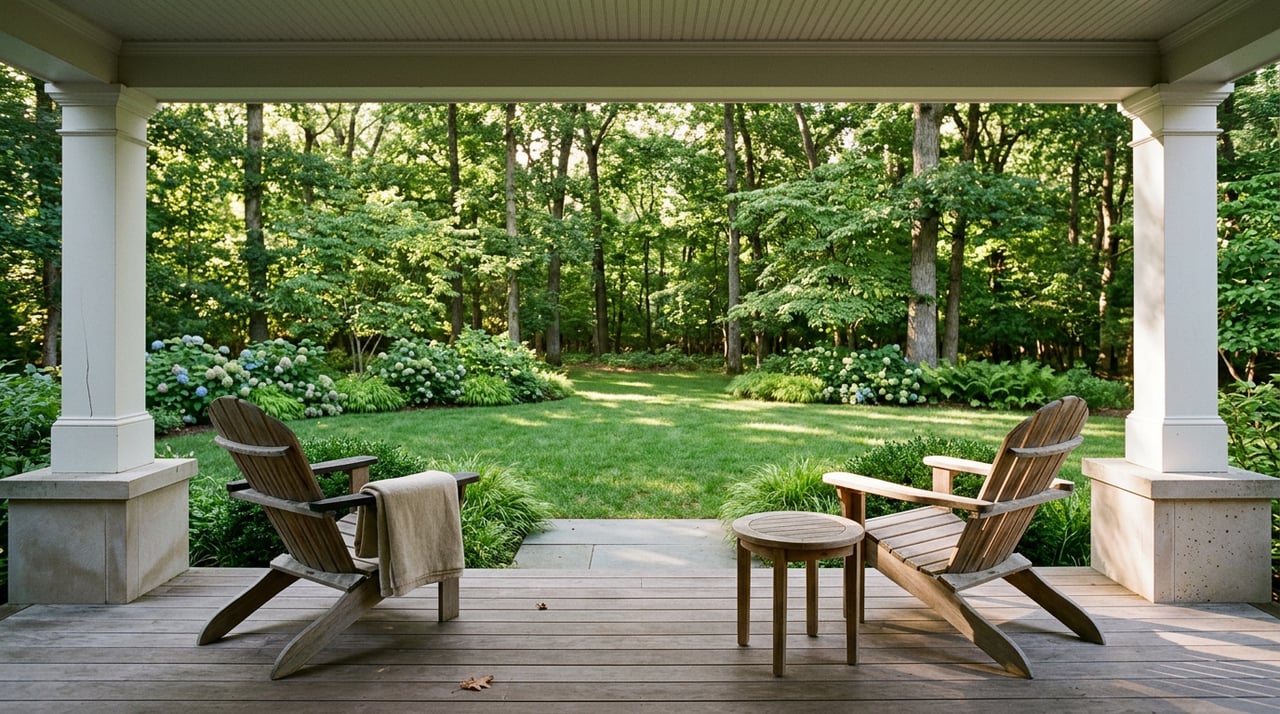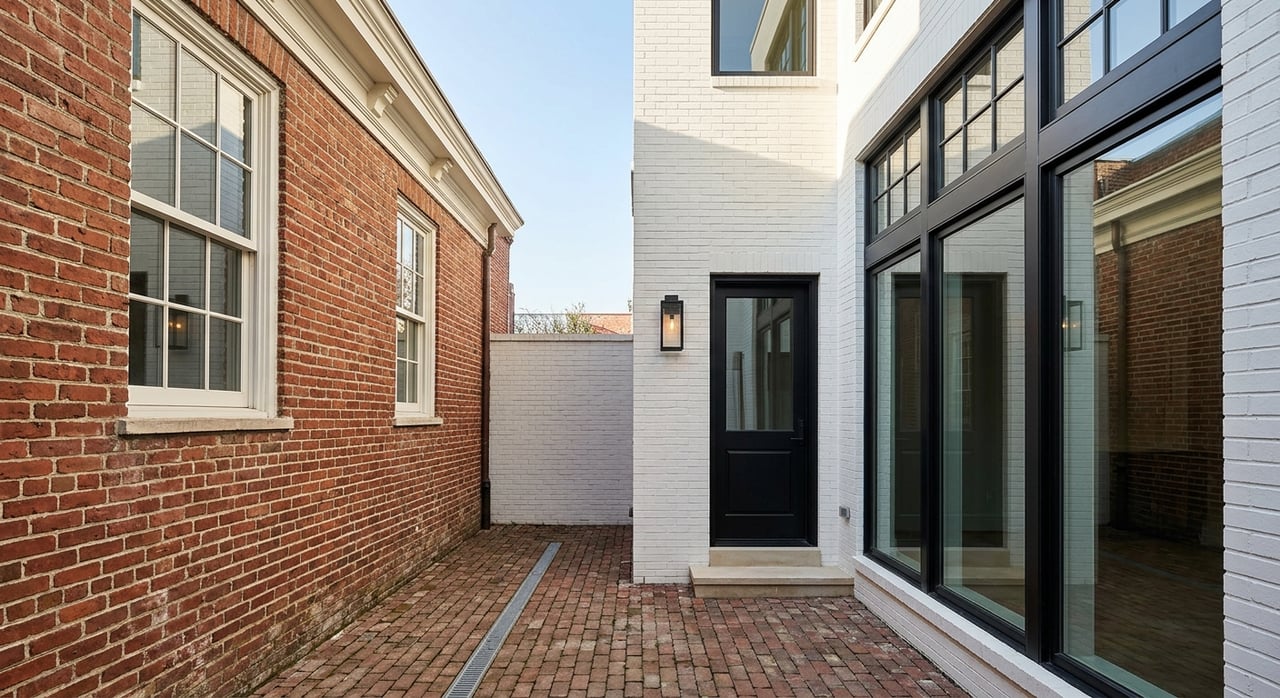
Buying in Arlington can feel like choosing between two very different futures. Do you want the clean slate and lower-maintenance appeal of new construction, or the charm, history, and renovation potential of an older character home? If you are weighing both, you are not alone. In a market where the median owner-occupied home value is $895,000, the right choice often comes down to how you want to live, maintain, and grow into a property over time. This guide will help you compare the tradeoffs in Arlington so you can make a smarter, more confident decision. Let’s dive in.
Why this choice matters in Arlington
Arlington is not a market where you can look at a house in isolation. The lot, zoning, permitting path, and future flexibility all matter, especially when land is limited and housing options vary block by block.
That context shapes the new construction versus character home decision in a very real way. Arlington County reports 124,873 housing units, a 41.3% owner-occupied rate, median monthly owner costs of $3,649 with a mortgage, and median gross rent of $2,275. In other words, buyers here are often making high-stakes decisions, and the long-term fit of the home matters just as much as the first impression.
What counts as new construction
In Arlington, new construction does not just mean a large detached home replacing an older one. The county’s 2023 Expanded Housing Option ordinance also allows duplexes, semidetached homes, townhouses, and small multifamily buildings in certain zoning districts, subject to permit requirements.
That means the new-build landscape is shaped by both design and regulation. What gets built depends on zoning rules, lot dimensions, approvals, and how much of the allowed building envelope a project uses.
What defines a character home
A character home usually refers to an older property with architectural detail, a more established setting, or a layout and scale that feel distinct from newer construction. In Arlington, that may include bungalows, colonials, older townhouses, and other homes that reflect the county’s earlier housing stock.
For many buyers, the appeal is not just style. It is also about living in a home with an established streetscape, mature trees, and a sense of continuity with the surrounding area.
New construction: the biggest advantages
Lower near-term maintenance
One of the strongest reasons buyers choose new construction is predictability. Arlington’s current residential code framework is the 2021 Virginia Residential Code, effective January 18, 2024, and new homes are built within that modern code environment.
While no home is maintenance-free, newer construction generally lowers the odds of immediate work on major systems like windows, insulation, roofing, and HVAC. For buyers who want fewer early surprises, that can be a major advantage.
Better energy performance
ENERGY STAR certified new homes are built with tighter air sealing, quality insulation, high-performance windows, and efficient HVAC systems. According to ENERGY STAR, these homes use 20% to 30% less energy than typical new homes.
That does not mean every new home will perform the same way, but it helps explain why newer homes often offer more predictable utility performance from day one. If comfort and efficiency are high on your list, new construction may feel easier to live with right away.
Modern layouts and finishes
Many Arlington buyers are drawn to the practical ease of newer homes. Open kitchens, larger primary suites, more storage, and updated systems often line up well with how people want to live today.
That convenience can be especially attractive if you are relocating, balancing a busy schedule, or simply do not want to spend your first year managing projects. In a fast-moving market, move-in-ready has real value.
New construction: the main tradeoffs
Lot coverage can change the feel
In Arlington, the lot is often the scarce resource. County lot rules help explain why some new builds feel large for the site.
In one-family districts, maximum lot coverage ranges from 45% in R-5 to 25% in R-20, and maximum main-building footprint ranges from 2,380 square feet in R-5 to 4,480 square feet in R-20. That means a newer home may use much of the allowed envelope, which can affect yard space, tree preservation, and the overall balance between house and outdoor area.
Zoning and approvals matter more than many buyers expect
New construction in Arlington is not just about what a builder wants to create. It is also shaped by permits, plan review, and site conditions.
Residential building permit applications go through Permit Arlington. Depending on the project, there may be plan sets, supporting documents, separate demolition approval, mechanical plans for additions over 500 square feet, or a development plan if land disturbance exceeds 2,500 square feet.
Bigger does not always mean more flexible later
A larger new home can be appealing, but it may leave less room for future expansion if it already uses most of the allowable lot coverage or sits close to setback limits. If you are thinking ahead about adding outdoor features or changing the footprint later, the current site utilization matters.
This is one area where buyers benefit from looking past finishes and asking more technical questions. The lot and zoning district can tell you a lot about future options.
Character homes: the biggest advantages
Established setting and architectural detail
Older homes often offer something newer properties cannot replicate easily. You may find original proportions, distinctive facades, mature landscaping, or a smaller scale that feels more connected to the street and surrounding homes.
Arlington’s own housing materials note that smaller older homes can be more manageable and less expensive than larger modern homes, while also preserving historic character and adding diversity to the housing stock. For many buyers, that combination is a major part of the appeal.
Potential for thoughtful renovation
If you want a home you can improve over time, Arlington does preserve some renovation pathways for older housing stock. The county says its zoning rules are designed to facilitate renovation of many existing one- and two-family dwellings that no longer conform to current zoning.
By-right allowances can include renovations within existing exterior walls, certain additions that encroach into yards if the new work otherwise meets zoning, and some vertical additions over existing nonconforming walls. That can create meaningful opportunities for buyers who see value in phased upgrades.
A different price-to-potential equation
In some cases, a character home may offer renovation upside rather than turnkey convenience. You may be paying for location, lot, and long-term possibilities instead of polished finishes on day one.
For buyers who are comfortable planning improvements over time, that can be a smart path. The key is understanding what is cosmetic, what is structural, and what Arlington will allow.
Character homes: the main tradeoffs
More inspection focus and upgrade planning
Older homes usually require a closer look at efficiency and building systems. The U.S. Department of Energy notes that windows account for 25% to 30% of residential heating and cooling energy use, and older homes may benefit from caulking, weatherstripping, storm windows, insulation, air sealing, or replacement windows.
That does not make an older home a poor choice. It simply means you should go in with a realistic plan for comfort upgrades, maintenance timing, and possible renovation costs.
Renovation timelines can be more involved
Not every remodel is simple, especially if the lot is nonconforming or the project changes setbacks, footprint, or site disturbance. Bigger additions or more complex site work can trigger zoning administrator review, Board of Zoning Appeals action, historic review, or a more involved permit package.
That can affect both timeline and budget. If customization is your goal, the approval path is just as important as the design ideas.
Historic district rules may limit flexibility
If a property is in one of Arlington’s local historic districts, exterior alterations, new construction, and demolition require a Certificate of Appropriateness. Routine maintenance, same-material repairs or replacements, interior work, and paint colors do not.
This is a critical point for buyers who love older homes but also want to make visible exterior changes. Historic review does not mean change is impossible, but it can shape what is allowed and how long the process takes.
Key questions to ask before you choose
Whether you lean toward new construction or a character home, a few Arlington-specific questions can clarify the decision quickly:
- Is the lot conforming, or is it a pre-1950 nonconforming lot that may still be buildable under certain conditions?
- Is the home in a local historic district?
- How much of the lot can the home actually cover under the zoning district?
- Are setbacks already tight?
- If you renovate later, would the project likely require mechanical plans, a development plan, or separate demolition approval?
These are not just technical details. They affect what you can do with the property, how much time future projects may take, and whether the home will support your goals in five or ten years.
How to decide what fits you best
Choose new construction if you value ease
New construction may be the better fit if you want:
- More predictable maintenance in the near term
- Modern systems and energy performance
- Contemporary layouts and finishes
- Fewer immediate renovation projects
This path can make sense if your priority is convenience, a cleaner maintenance outlook, and a home that feels turnkey from the start.
Choose a character home if you value setting
A character home may be the better fit if you want:
- Architectural detail and established surroundings
- Mature landscaping or yard character
- Potential to renovate over time
- A smaller or more traditional scale
This path can be especially appealing if you are comfortable evaluating condition carefully and want the possibility of adding value through thoughtful updates.
The Arlington lens matters most
In Arlington, this is rarely a simple style choice. It is a decision about maintenance tolerance, renovation goals, zoning flexibility, and how you want the property to function over time.
The right answer depends on your priorities, but the best decisions usually come from looking beyond finishes. When you understand the lot, the code environment, and the likely path for future changes, you can buy with much more confidence.
If you are comparing new construction and older homes in Arlington, local context makes all the difference. The team at Sullivan Brownell Partners can help you evaluate not just the home you see today, but the options and constraints that come with it tomorrow.
FAQs
What is the biggest difference between new construction and character homes in Arlington?
- New construction often offers more predictable maintenance, modern systems, and stronger energy performance, while character homes often offer architectural detail, established settings, and renovation potential.
How do Arlington zoning rules affect new construction homes?
- Arlington zoning rules affect lot coverage, setbacks, building footprint, and the types of homes allowed, which can shape a new home’s size, yard space, and future flexibility.
Can you renovate an older Arlington home that does not meet current zoning?
- In many cases, yes. Arlington allows certain renovation pathways for legally nonconforming one- and two-family homes, but the project scope can affect whether additional review or approvals are needed.
What should you check before buying an older home in Arlington?
- You should check the home’s condition, efficiency upgrade needs, whether the lot is conforming, and whether the property is in a local historic district.
Does a historic district change what you can do to a home in Arlington?
- Yes. In Arlington’s local historic districts, exterior alterations, new construction, and demolition require a Certificate of Appropriateness, while interior work and routine maintenance generally do not.