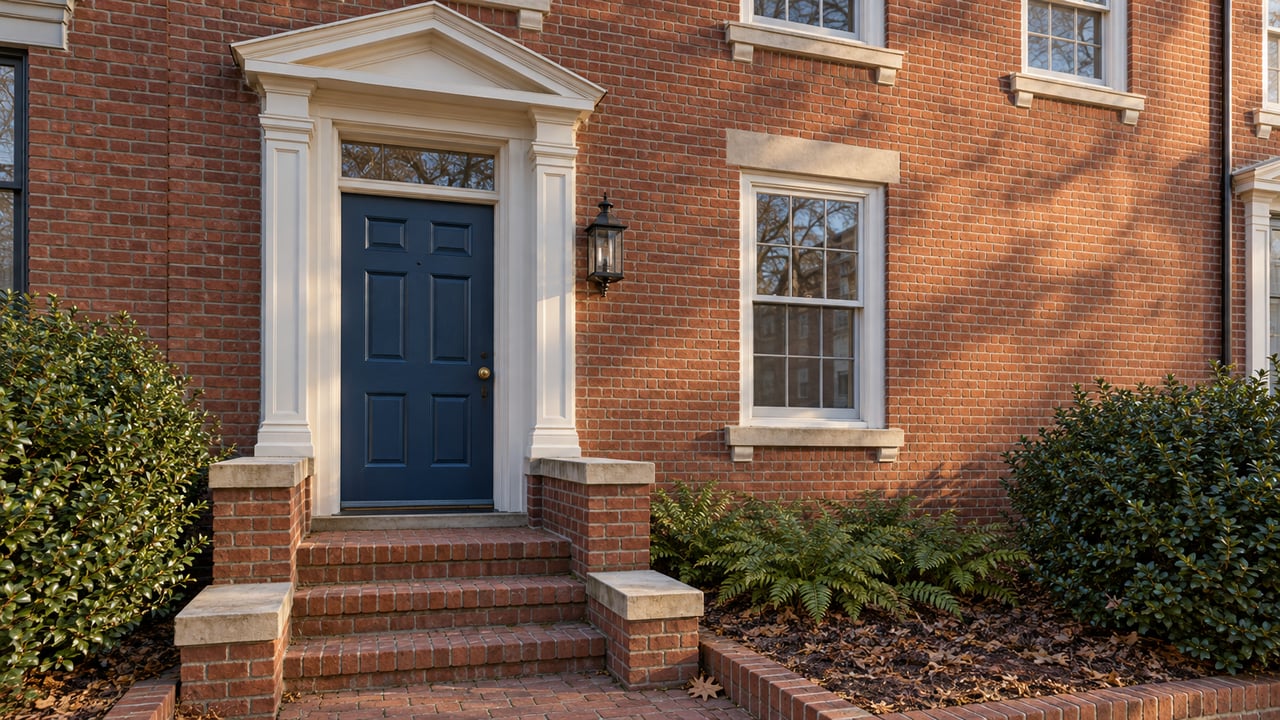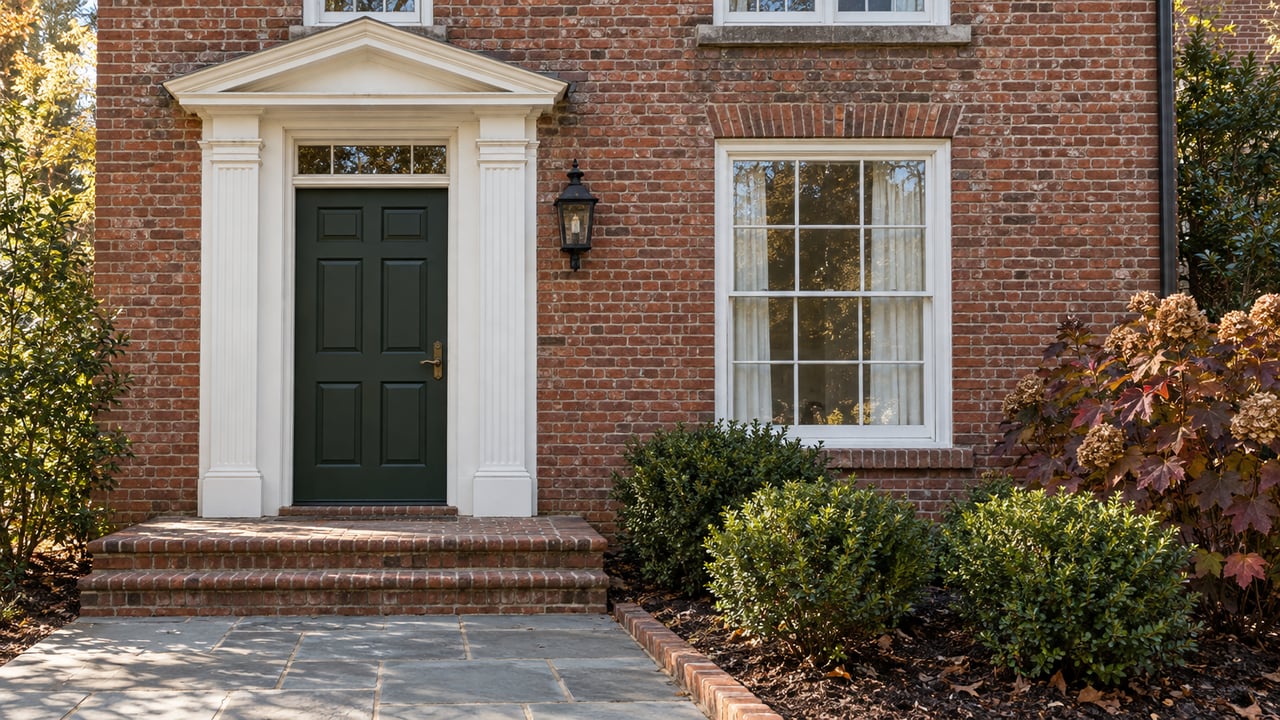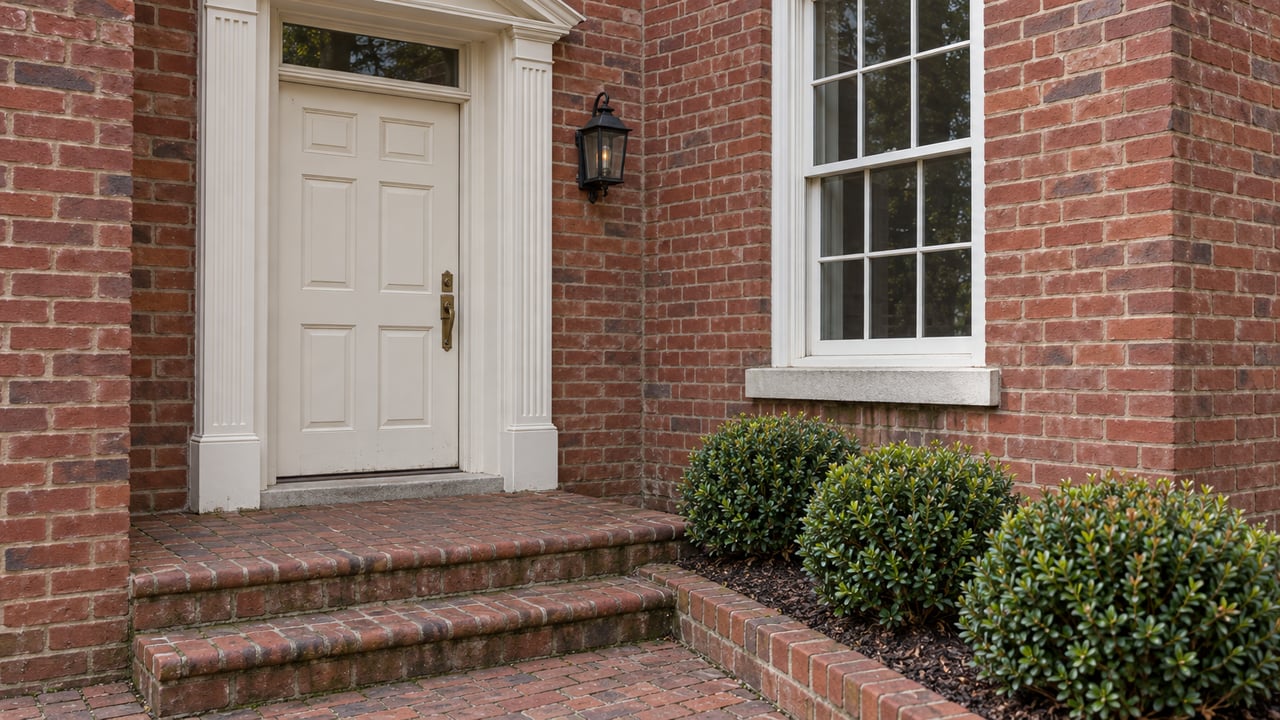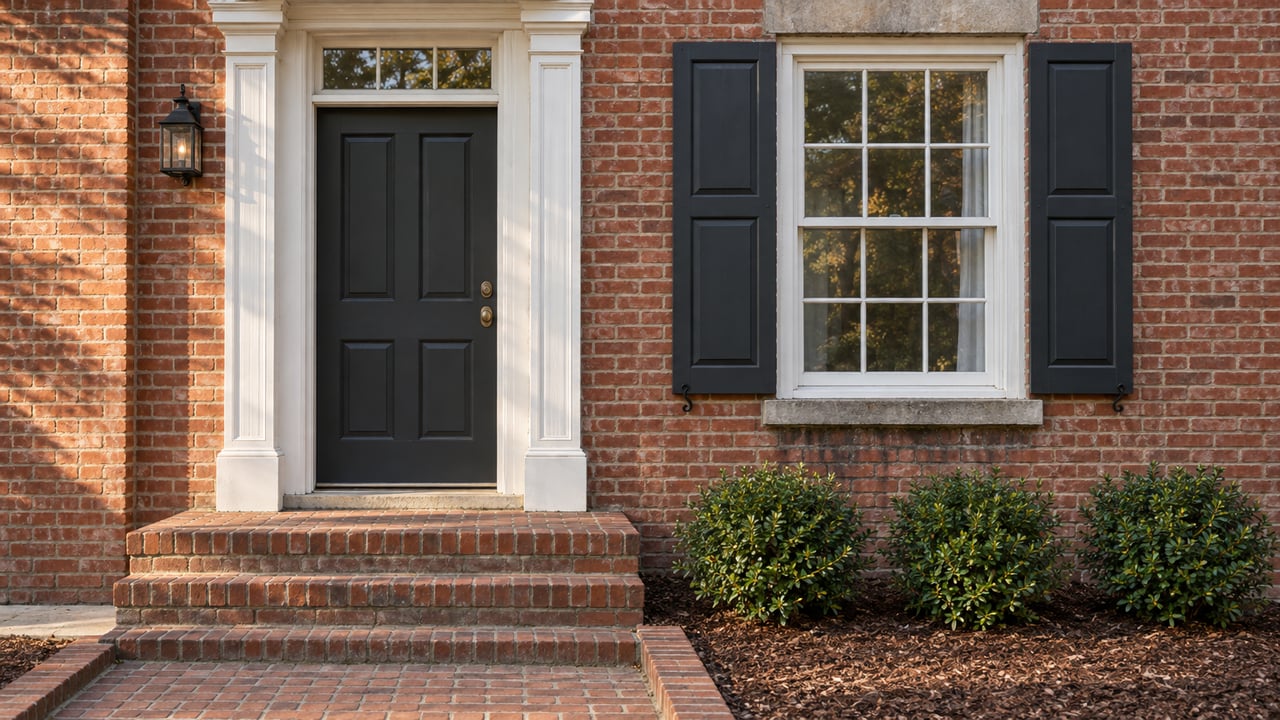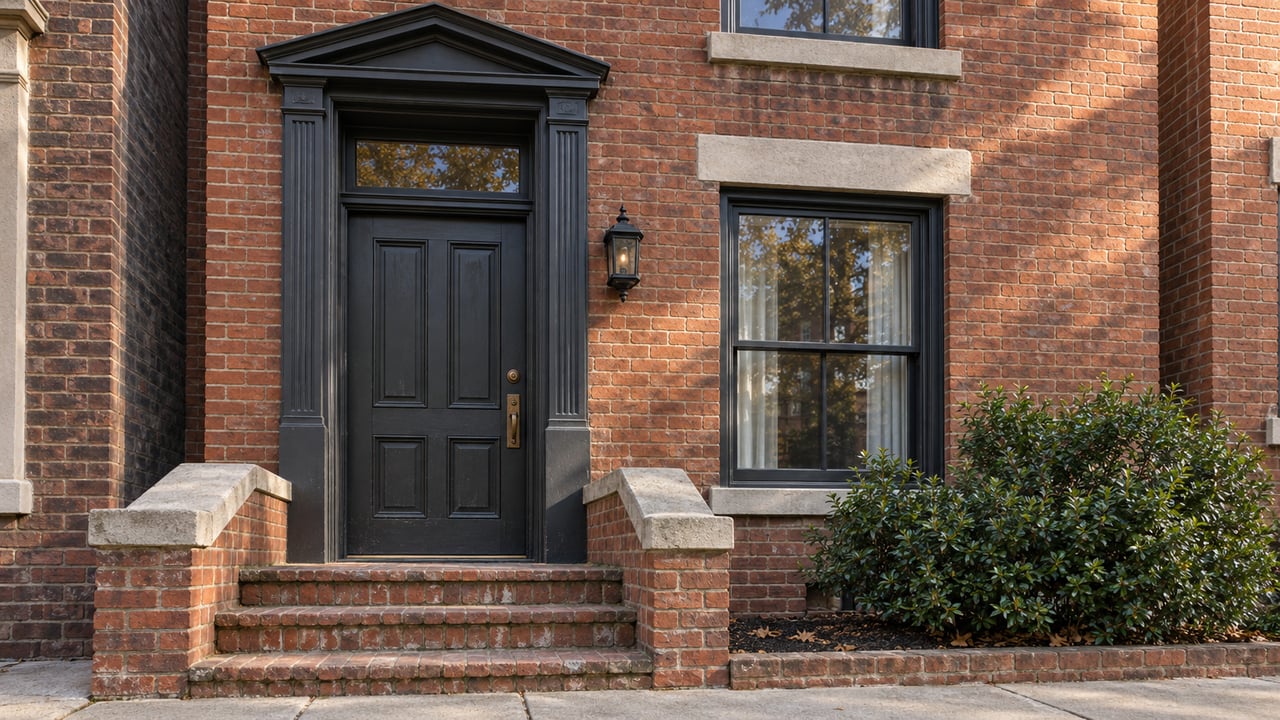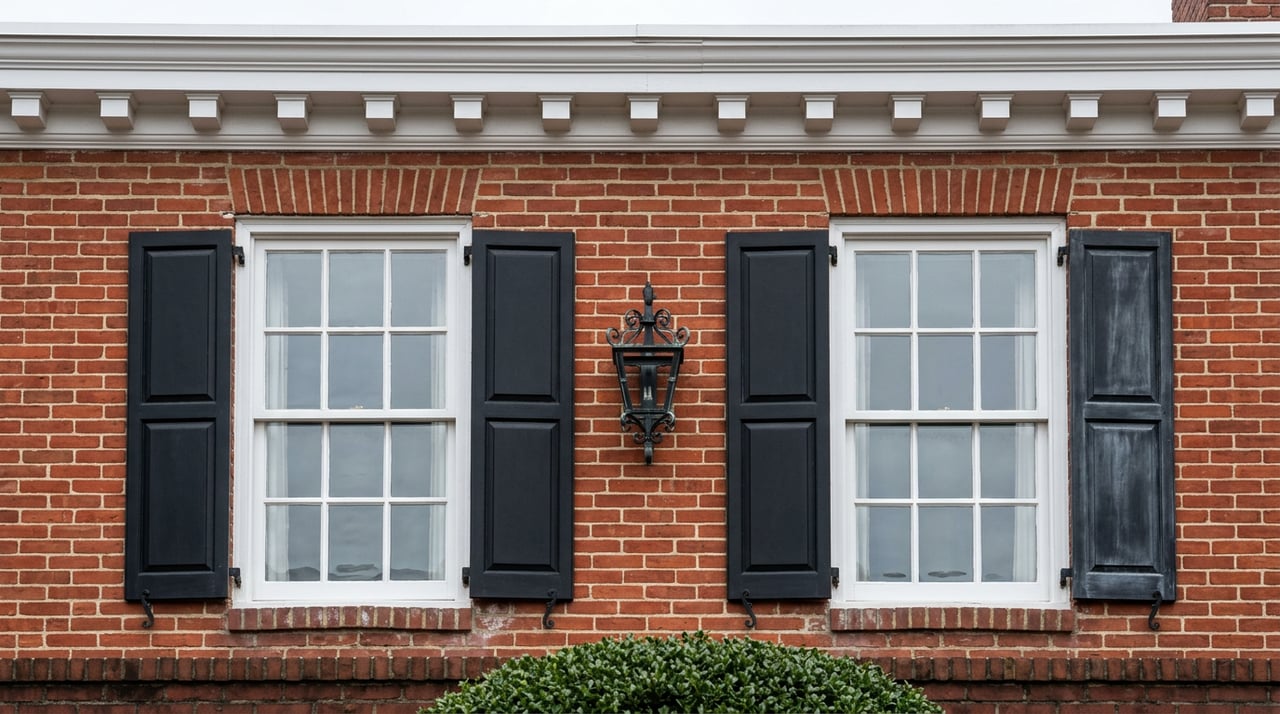
A homeowner on Green Street once stood before Alexandria's Board of Architectural Review and made her case in person. Her house sat 43 feet back from the curb, deep enough that the windows were barely visible from the sidewalk. The building had started life as a 1950s garden apartment complex before being converted into individual townhouses in the 1980s, and the existing wood windows dated to that renovation, not to any earlier century. She worried, reasonably, that keeping wood meant a lifetime of repainting and upkeep she didn't want to take on. She brought a petition. Sixteen neighbors signed it in support of aluminum-clad replacements.
The board approved her request. Then the chairman said something worth remembering if you own or plan to buy property in the historic core of Alexandria: the approval should not be treated as a precedent, because the city's policy on modern window materials was still being written at the time.
That single sentence is the whole story. In Old Town and its adjacent Parker-Gray Historic District, an approved window at one address tells you almost nothing about what will get approved at the next one. The board weighs each case against a fixed presumption favoring wood, and only bends when several specific facts line up at once. If you're buying a rowhouse here, or selling one, that distinction is worth more than any contractor's quote.
The Boundary You Can't See From the Street
The Old and Historic Alexandria District runs roughly from the Potomac waterfront west to Washington Street, bounded by the railroad tracks and Jones Point. Parker-Gray sits just north of it, centered on a neighborhood with deep roots in Alexandria's historically Black community. According to the City of Alexandria, together, these are the only two local historic districts where the Board of Architectural Review has authority over what a homeowner does to the outside of a house, alongside a smaller set of individually designated "One Hundred-Year-Old Buildings" scattered elsewhere in the city.
Walk a few blocks in the wrong direction and none of it applies. Homes in Del Ray, Rosemont, Seminary Hill, and most of the West End answer to ordinary permitting, not to the BAR. A homeowner there can order vinyl replacement windows and have them installed within weeks. A homeowner inside the historic district boundary is working under an entirely different set of expectations, and the line between the two isn't marked by any change in the streetscape. The city maintains a Historic Preservation Map Viewer for exactly this reason. Before you assume a project timeline, it's worth five minutes to confirm which side of the line a specific address falls on.
What Actually Triggers a Review
Inside the district, exterior changes can require review.
A Thompson Creek guide notes that even a straightforward like-for-like replacement still requires a building permit in the historic district, which is stricter than most jurisdictions in the region. A Rust Construction guide explains that like-for-like work can often clear staff-level administrative approval without ever going before the full board. Anything that changes the look of the house from the street is the kind of project that tends to land on a hearing agenda instead.
Why Wood Wins by Default
The board's own 2023 window workshop materials spell out the split plainly. In Parker-Gray, buildings from before 1932 are expected to keep single-glazed wood windows on their street-facing elevation. Buildings from 1932 onward get more flexibility, but only if they sit more than 15 feet back from the front property line. Anything closer than that has to be wood, aluminum-clad wood, or another high-quality paintable material. Across both districts, one rule holds regardless of age or setback: hollow vinyl windows with sandwich muntins are not considered appropriate on any building, by standing board policy.
That's what made the Green Street approval unusual rather than routine. The house wasn't an 18th-century original, it had already been substantially altered decades earlier, and it sat far enough from the street that the change would barely register from the sidewalk. Three specific conditions had to align before the board would grant an exception, and even then, the chairman went out of his way to say it shouldn't set a pattern for the next applicant. A separate case that same year, a straightforward Fibrex casement replacement at a property on West Abingdon Drive, moved through with a unanimous vote and barely any discussion, because it didn't ask the board to reconsider anything.
What the Timeline Actually Looks Like
The gap between "staff can approve this in an afternoon" and "this needs a public hearing" is the single biggest variable in budgeting a window project inside the district.
| Review path | Typical timeframe |
|---|---|
| Staff-level administrative approval | A few days to a few weeks |
| Full public hearing before the board | 4 to 8 weeks from submission to decision |
| Overall window or door project, concept to permit | 2 to 4 months |
| Larger additions or new construction | Longer, case by case |
A contractor working outside the district might quote a two-week turnaround for a full set of replacement windows. Inside Old Town or Parker-Gray, that same scope of work can run two to four months once you account for documentation, staff review, and the possibility of a hearing. The city's own ordinance for the district states its purpose plainly: to "promote the general welfare through preservation and protection of sites, buildings and structures" that carry historical or architectural significance. That mandate is why the timeline exists in the first place, and why it doesn't shrink just because a buyer's move-in date is approaching.
What This Means If You're Buying or Selling Here
If you're under contract on a historic-district property and planning to update the windows before move-in, confirm the district status and talk to preservation staff before you commit to a timeline that assumes ordinary permitting.
If you're preparing to list a historic-district home, the same logic runs the other way. A pre-listing window refresh done through the fast administrative track, matching existing design, material, and color, is a straightforward way to present a well-kept house without inviting a hearing. A refresh that changes material or profile is a longer and more expensive undertaking, and it's worth having that conversation with your agent before the property goes on the market rather than after an offer is already on the table.
A Few Questions Worth Asking Directly
Does every window replacement in Old Town require a public hearing? No. Work that matches the existing design, material, and color can often be approved administratively by city staff without a hearing. It's changes to material, size, or configuration that typically go before the full seven-member board.
What about homes just outside the historic district? Properties in Del Ray, Rosemont, Seminary Hill, and most of the rest of Alexandria are not subject to BAR review at all. Only the Old and Historic Alexandria District, the Parker-Gray Historic District, and individually designated "One Hundred-Year-Old Buildings" fall under the board's authority.
How do I find out if a specific address is covered? The city maintains a Historic Preservation Map Viewer, and preservation staff can confirm a property's status directly if the map leaves any doubt.
Old Town's charm is inseparable from the process that protects it, but the process rewards buyers and sellers who understand it before they're mid-transaction, not after. If you're weighing a historic-district property in Alexandria, or trying to time a listing around a renovation, Sullivan Brownell can walk through what a specific address actually requires before you commit to a timeline. Request Your Home Valuation to start that conversation.
This article is general information, not legal, tax or financial advice. Consult a qualified professional about your situation.