Trying to choose between North Arlington and South Arlington can feel simple at first, until you realize each side includes very different neighborhoods, housing types, and price points. If you are buying in Arlington, the better fit usually comes down to your commute, home style, budget, and day-to-day routine more than a north-versus-south label. This guide will help you sort through the tradeoffs with a local, practical lens. Let’s dive in.
North vs South Arlington Basics
Arlington County’s street system generally divides the county into north and south Arlington at Arlington Boulevard, also known as Route 50. That said, the county’s planning framework is more corridor-based than north-versus-south, so this split works best as buyer-friendly shorthand rather than a strict market boundary.
For a practical home search, many buyers think of North Arlington as including areas like Rosslyn, Courthouse, Clarendon, Ballston, Cherrydale, East Falls Church, and neighborhoods near Langston Boulevard. South Arlington often includes Pentagon City, Crystal City, Columbia Pike, and Shirlington. The key point is that both sides include urban hubs and quieter residential pockets.
Why Micro-Neighborhoods Matter More
If you only compare “North Arlington” to “South Arlington,” you can miss what really drives value and fit. Buyers are usually choosing between micro-markets that happen to sit on opposite sides of Route 50, not between two uniform halves of the county.
That matters because one part of North Arlington may feel very different from another. The same is true in South Arlington, where a transit-heavy district can feel worlds apart from a townhouse-oriented or main-street-style area. Looking at the exact street, housing type, and commute pattern will usually give you a better answer than a broad label.
Housing Differences to Expect
Arlington as a whole has a large multifamily housing base. In 2026, the county had 127,090 housing units, and 73% were multifamily apartments or condo units. Since 2020, 99% of net housing growth has come from multifamily apartments and condos.
That countywide picture helps explain why your options can vary so much by area. The average 2026 assessed value was $1,279,000 for single-family detached homes, $996,152 for attached homes and townhomes, and $476,740 for condos. In other words, the housing type you target may shape your budget almost as much as the neighborhood itself.
North Arlington Housing Mix
North Arlington often gives you a mix of older detached-home neighborhoods and dense mixed-use corridors. In the Rosslyn-Ballston corridor, 92.3% of housing is multifamily and only 3.0% is detached, while the Langston Boulevard corridor is more mixed, with 42.1% detached housing and 46.2% multifamily.
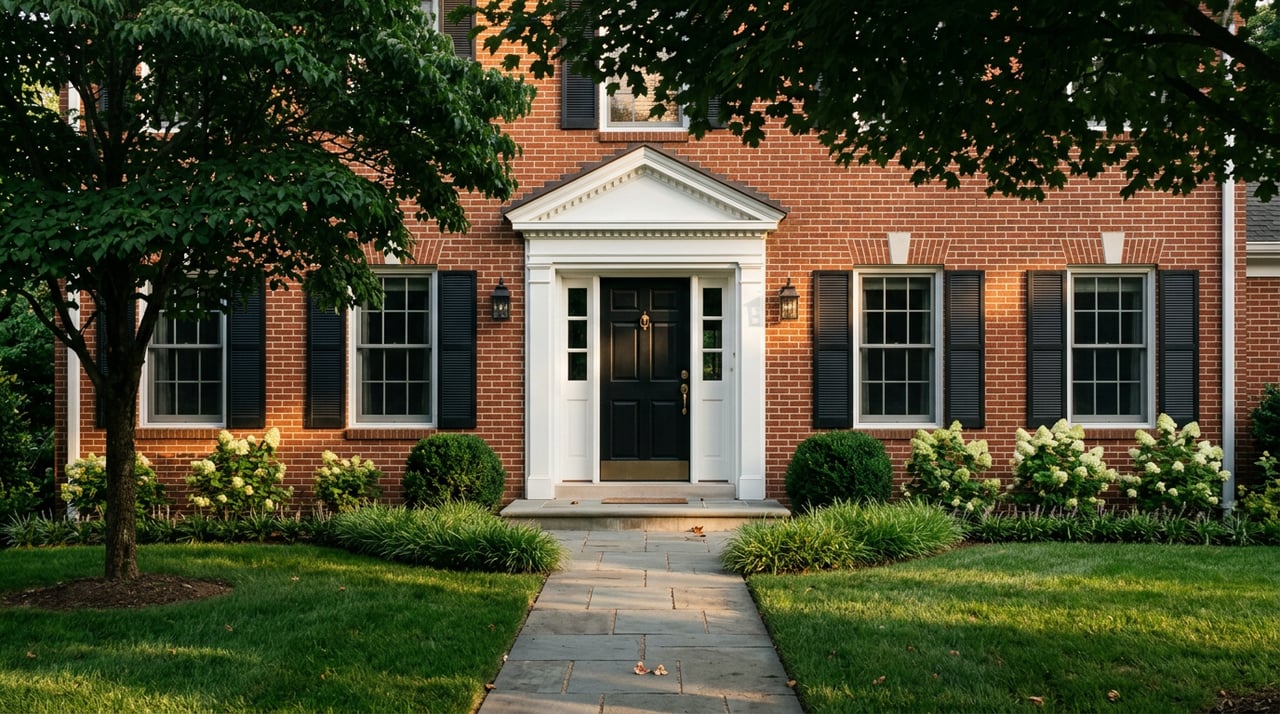
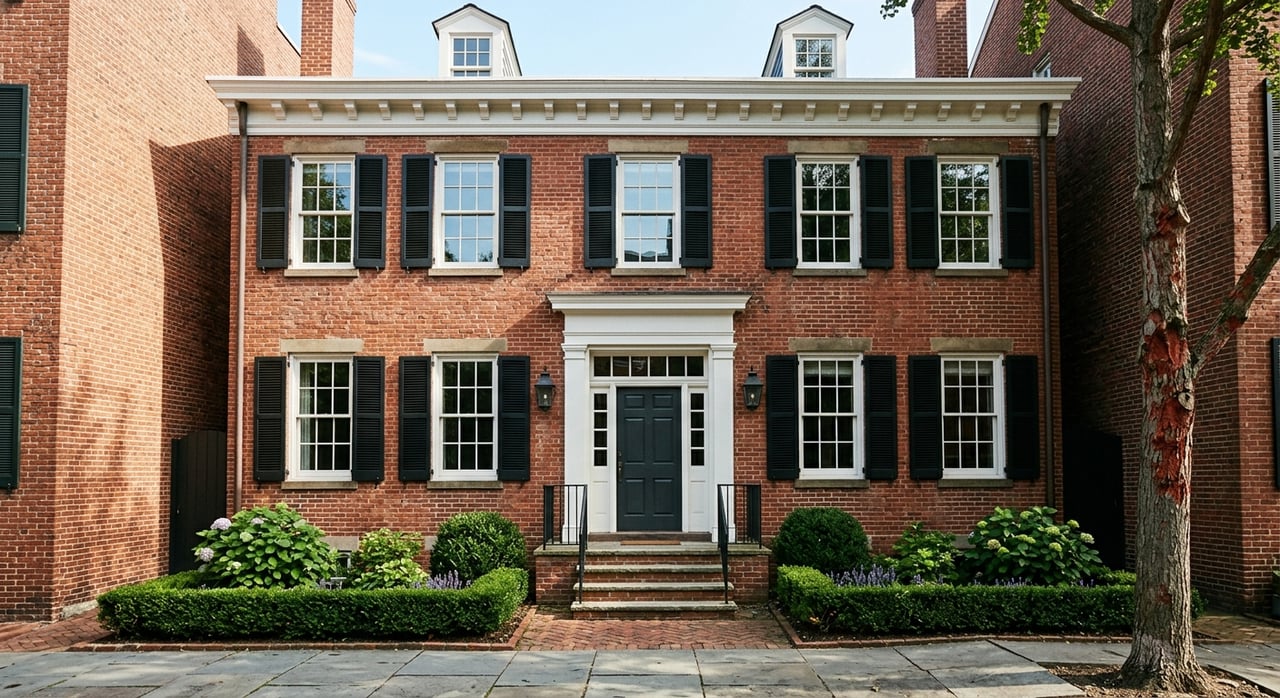
In places like East Falls Church, the county describes an established residential setting with single-family homes, townhouses, parks, schools, and some commercial uses. Many of the single-family homes there were built between the 1930s and 1950s. Cherrydale also reflects a more residential pattern, anchored by an older commercial corridor and early 20th-century subdivisions.
At the same time, neighborhoods like Rosslyn and Ballston offer a very different experience. Those areas are defined by high-rise apartments and condos, offices, hotels, retail, and parks. If you want an urban lifestyle with nearby services, parts of North Arlington can deliver that too.
South Arlington Housing Mix
South Arlington is just as varied, but its major nodes often offer more apartment, condo, and townhouse inventory. Columbia Pike is described by the county as a diverse main street with local shops, restaurants, and a significant supply of multifamily housing. Shirlington includes townhouse communities, high-rise apartments, parks, a library, and a strong retail and dining mix.
Crystal City and Pentagon City combine housing with large-scale commercial development and ongoing walkable, transit-oriented redevelopment. If you want a condo, townhouse, or mixed-use environment with convenient access to daily amenities, South Arlington often presents more options in that lane.
Transit and Commuting Tradeoffs
For many buyers, commute convenience is the deciding factor. Arlington has an unusually compact multimodal network, with 11 Metrorail stations and 14 ART bus routes. In 2025, ART buses carried passengers more than 6.3 million miles, and average weekday Metrorail activity countywide reached 123,500 entries and exits.
North Arlington Commute Strengths
North Arlington’s transit pattern is spread across the Rosslyn-Ballston corridor. Rosslyn, Courthouse, Clarendon, Virginia Square, Ballston, and East Falls Church give buyers multiple station-area choices that are fairly close together.
Rosslyn functions as a gateway to Arlington, with more than 8 million square feet of office space, about 2,100 hotel rooms, many restaurants and parks, and more than 6,000 residences within a 10-minute walk of the Metro station. Ballston is also a major transportation hub with direct access to I-66 and Glebe Road, plus office, residential, hotel, and retail uses.
The county’s 2025 corridor station data suggests North Arlington has the denser rail footprint overall. Rosslyn-Ballston corridor stations averaged 26,379 weekday entries and 26,355 exits. That does not mean every northern neighborhood is easier for every commuter, but it does show how strong the station network is in that corridor.
South Arlington Commute Strengths
South Arlington’s convenience is often more clustered around major destinations. Pentagon City and Crystal City are especially strong for buyers who want transit-oriented living near major employment and regional connections.
Pentagon City is a shopping and dining destination inside the Beltway with a range of housing types, Virginia Highlands Park, and one of the busiest Metro stations in the system. Crystal City offers underground shopping, Restaurant Row, hotel and office-residential buildings, and strong Metro access. Columbia Pike is one of the county’s busiest corridors and has recently been completed as a more walkable, transit-friendly main street.
If you do not need to be on the Orange Line corridor, South Arlington can still be highly practical. It may be the better fit if your routine centers on Pentagon City, Crystal City, the airport area, Columbia Pike, or Shirlington.
Neighborhood Feel and Daily Life
One of the biggest misconceptions is that North Arlington is one thing and South Arlington is another. In reality, both sides include lively commercial districts and quieter residential areas. The difference is usually in the mix and concentration.
North Arlington often appeals to buyers who want a choice between established detached-home streets and highly walkable Metro-centered districts. Clarendon is known for dining, nightlife, public art, and tree-lined streets, while East Falls Church feels more residential even with Orange Line and I-66 access.
South Arlington often stands out for mixed-use convenience and destination-style nodes. Shirlington is Arlington’s arts and entertainment hub, with Signature Theatre, a bus station, parks, restaurants, retail, a cinema, and a library. Columbia Pike has a main-street feel, while Pentagon City and Crystal City combine density, shopping, transit, and redevelopment momentum.
How Prices Compare
Price is one of the clearest tradeoffs between the two sides, but even here, the real story is more granular than north versus south. Recent zip-code trends show a broad range across Arlington.
In North Arlington, May 2026 median sale prices reached $1.53 million in 22207 and $1.40 million in 22205. In 22201, the median sale price was $844,749. Those numbers reflect the strong premium attached to many detached-home neighborhoods and walk-to-Metro pockets in the north.
In South Arlington, the spread was wider. Zip code 22202 reached a median sale price of $949,718, while 22204 posted $654,806 and 22206 came in at $559,834. This suggests South Arlington often offers a broader range from premium transit-oriented districts to more accessible value pockets.
What the Price Gap Usually Means
Higher prices in North Arlington do not automatically mean better value for your goals. In many cases, you are paying for a specific combination of detached housing, location, and access to established neighborhood fabric or tightly spaced Metro stops.
South Arlington may offer more flexibility if you want to prioritize price range, housing variety, or access to mixed-use neighborhoods. For some buyers, that tradeoff creates a better overall fit even if the address carries a different market perception.
Which Side Fits Your Priorities?
The best choice depends on what you need your home to do for you. A broad label can help you start the search, but your decision should come from the details.
You may prefer North Arlington if you want:
- More options in older detached-home neighborhoods
- Access to the Rosslyn-Ballston Metro corridor
- A mix of residential pockets and dense urban centers
- Strong demand in walkable, close-in neighborhoods
You may prefer South Arlington if you want:
- More condo, apartment, and townhouse inventory in key nodes
- Transit-oriented living near Pentagon City or Crystal City
- Main-street energy in places like Columbia Pike
- Arts, dining, and mixed-use convenience in Shirlington
- A wider spread of price points across different micro-markets
A Note on School Boundaries
If schools are part of your search, it is important not to treat North Arlington or South Arlington as a shortcut. Arlington Public Schools assigns each address to a neighborhood elementary, middle, and high school based on the specific location.
That means the most accurate approach is to check the exact address you are considering. School assignment questions are best answered address by address, not side by side across the whole county.
The Best Way to Compare North and South Arlington
A smart Arlington home search usually starts with four filters: commute mode, housing type, budget, and exact location. From there, you can compare specific neighborhoods or even specific blocks that match how you actually live.
That approach tends to produce better outcomes than asking which side is “better.” In Arlington, the strongest decision is usually based on the right micro-neighborhood, not the broadest label.
If you want help narrowing the options, Sullivan Brownell Partners can help you compare Arlington’s micro-markets with a clear, data-driven strategy tailored to your goals.
FAQs
What separates North Arlington from South Arlington?
- Arlington Boulevard, or Route 50, is the general dividing line in Arlington’s street system, but the county uses corridor-based planning, so north versus south is more of a helpful shorthand than a formal market boundary.
Is North Arlington more expensive than South Arlington?
- Often, yes in many detached-home and walk-to-Metro pockets, but prices vary widely by zip code, housing type, and micro-neighborhood, so the gap is not uniform across all of Arlington.
Does South Arlington offer better value for Arlington buyers?
- It can, especially if you want more condo, townhouse, or mixed-use options and a broader range of price points, but the right value depends on your budget, commute, and preferred home style.
Which Arlington side is better for commuting?
- North Arlington has a denser spread of Metro stations along the Rosslyn-Ballston corridor, while South Arlington is especially strong near Pentagon City and Crystal City, so the better choice depends on where and how you commute.
Should Arlington buyers compare schools by north versus south?
- No. Arlington Public Schools assigns schools by exact address, so buyers should evaluate school boundaries based on the specific property they are considering.
Is North Arlington or South Arlington better for families?
- There is no universal winner. North Arlington often offers more older detached-home neighborhoods, while South Arlington often offers more townhouse, condo, and mixed-use options near everyday amenities.